Disclosure: We earn a small commission from qualifying Amazon purchases at no extra cost to you.
This post contains affiliate links. We may earn a commission at no extra cost to you.
Why Trust PortableScout?
The best portable power station for medical devices for your situation depends on how you plan to use it and where.
We are an independent review site. We do not accept sponsored placements. Our affiliate commissions come from reader purchases — so we only recommend products we'd genuinely buy ourselves.

Supporting Medical Devices During Emergencies: The Complete Power Guide (2026)
Emergencies don’t wait for convenience, and for the 43 million Americans who rely on home medical equipment, power outages can be life-threatening. Events like Hurricane Katrina in 2005 revealed the devastating consequences of medical device failures during disasters, with over 215 deaths linked to power loss for essential devices. Fast forward to today, and the situation is even more pressing: grid outages have increased by 67% since 2000, driven by extreme weather, aging infrastructure, and rising energy demands.

Whether you rely on a CPAP machine for sleep apnea, an oxygen concentrator for respiratory conditions, or a dialysis machine for kidney care, having a reliable backup power solution is no longer optional—it’s essential. This guide will walk you through everything you need to know about powering medical devices during emergencies, from understanding your device’s energy needs to finding the best portable power stations to keep you safe and comfortable when the grid goes down.
Which Medical Devices Need Backup Power?
Before diving into power solutions, it’s crucial to understand the energy requirements of common medical devices. Each device has specific running and startup wattage needs, as well as average daily usage hours. Here’s a comprehensive table to help you calculate your backup power needs:

| Medical Device | Running Watts | Startup Watts | Hours Per Day |
|---|---|---|---|
| CPAP Machine | 30-60W | 60-120W | 6-8 hours |
| BiPAP Machine | 60-100W | 100-200W | 6-8 hours |
| Oxygen Concentrator | 150-600W | 300-1200W | 24 hours |
| Nebulizer | 100-250W | 200-500W | 1-2 hours |
| Infusion Pump | 10-30W | 20-60W | 24 hours |
| Power Wheelchair (Charging) | 200-450W | 400-900W | 6-8 hours |
| Home Dialysis Machine | 1000-1500W | 2000-3000W | 4-6 hours |

CyberPower UPS 1500VA Pure Sine Wave (CP1500PFCLCD)
- 1500VA / 1000W pure sine wave inverter
- LCD panel with real-time power status
- Multi-bank surge protection, 12 outlets
How Much Backup Power Do You Actually Need?
Calculating your backup power needs starts with understanding your device’s wattage and daily usage. Use this formula to estimate the total watt-hours (Wh) required:
Total Wh = Running Watts × Hours Per Day
Let’s break it down with two examples:
Example 1: CPAP User
A CPAP machine typically uses 50W while running. If you use it for 8 hours a night:
- Total Wh = 50W × 8 hours = 400Wh
You’ll need a power station with at least 400Wh capacity to power your CPAP for one night. For multi-day outages, consider a station with 1200Wh or more.
Example 2: Oxygen Concentrator User
An oxygen concentrator running at 300W for 24 hours a day requires:
- Total Wh = 300W × 24 hours = 7200Wh
In this case, you’ll need a high-capacity power station or multiple units to meet your daily energy needs.
Top 5 Portable Power Stations for Medical Devices
Now that you know your power requirements, here are the top portable power stations for medical devices in 2026. These units are reliable, efficient, and designed to handle sensitive medical equipment.

#1. EcoFlow DELTA Pro
The EcoFlow DELTA Pro is a powerhouse designed for heavy-duty medical devices like oxygen concentrators and dialysis machines. With 3600Wh capacity and 3600W output, it can handle high-demand devices with ease. Its UPS mode ensures a seamless 30ms switch during outages, making it ideal for critical equipment.
- Massive capacity and output
- UPS mode for uninterrupted power
- Expandable with additional batteries
- Expensive
- Heavy and bulky
#2. EcoFlow DELTA 2
The EcoFlow DELTA 2 is a versatile mid-range option perfect for CPAP machines and nebulizers. With 1024Wh capacity and 1800W output, it’s compact yet powerful. Its 3000-cycle LiFePO4 battery ensures long-term reliability.
- Compact and portable
- Fast charging
- Long battery lifespan
- Limited capacity for high-demand devices
- No expandable battery option
#3. BLUETTI AC200P
The BLUETTI AC200P offers maximum capacity for extended outages. With 2000Wh and 2000W output, it’s ideal for powering multiple devices simultaneously. Its 3500-cycle LiFePO4 battery ensures durability.
- High capacity and output
- Durable LiFePO4 battery
- Multiple output options
- Heavy and less portable
- Long recharge time
#4. Jackery Explorer 1000 Pro
The Jackery Explorer 1000 Pro is a reliable option for CPAP users and small medical devices. With 1002Wh capacity and 1000W output, it’s lightweight and easy to use, making it a favorite for portability.
- Lightweight and portable
- Simple user interface
- Quiet operation
- Limited capacity for larger devices
- Not expandable
#5. Anker 757
The Anker 757 strikes an excellent balance between price and performance. With 1229Wh capacity and 1500W output, it’s a great value option for powering multiple small devices or a single large one during outages.
- Affordable for its specs
- Fast recharge time
- Durable design
- Heavier than competitors
- Not expandable
Champion 2500W Dual-Fuel Inverter Generator
- 2500W gas / 2125W propane output
- Dual-fuel flexibility (gas or propane)
- Economy mode extends run time to 11.5 hrs
Critical Features Every Medical Power Station Must Have
When selecting a portable power station to support medical devices during emergencies, certain features are non-negotiable. These features ensure the safety of sensitive medical equipment, extend runtime during outages, and provide peace of mind for patients and caregivers.
Pure Sine Wave Output
One of the most critical features is pure sine wave output. Unlike modified sine wave inverters, which produce a choppy, uneven electrical signal, pure sine wave inverters generate a smooth and consistent waveform. Medical devices such as CPAP machines, oxygen concentrators, and dialysis equipment are designed to operate on the clean power provided by a pure sine wave. Using a modified sine wave inverter can cause overheating, inefficiency, or even permanent damage to these devices. Always verify that the power station you choose explicitly states "pure sine wave" in its specifications.UPS Mode (Uninterruptible Power Supply)
For life-critical devices like oxygen concentrators, a power station with UPS mode is essential. UPS mode allows the power station to instantly switch to battery power in the event of a grid outage. The switchover time, measured in milliseconds (ms), is crucial. Most medical devices require a switchover time of less than 20ms to avoid interruptions. Look for power stations with a UPS mode and ensure the response time is fast enough to meet your needs.Capacity Buffer
Battery capacity is another vital consideration. A good rule of thumb is to purchase a power station with at least twice the capacity of your daily energy needs. This buffer accounts for inefficiencies, unexpected power surges, and additional devices you may need to power during an emergency. For example, if your medical devices consume 500Wh per day, opt for a power station with at least 1,000Wh of capacity.Solar Charging for Extended Outages
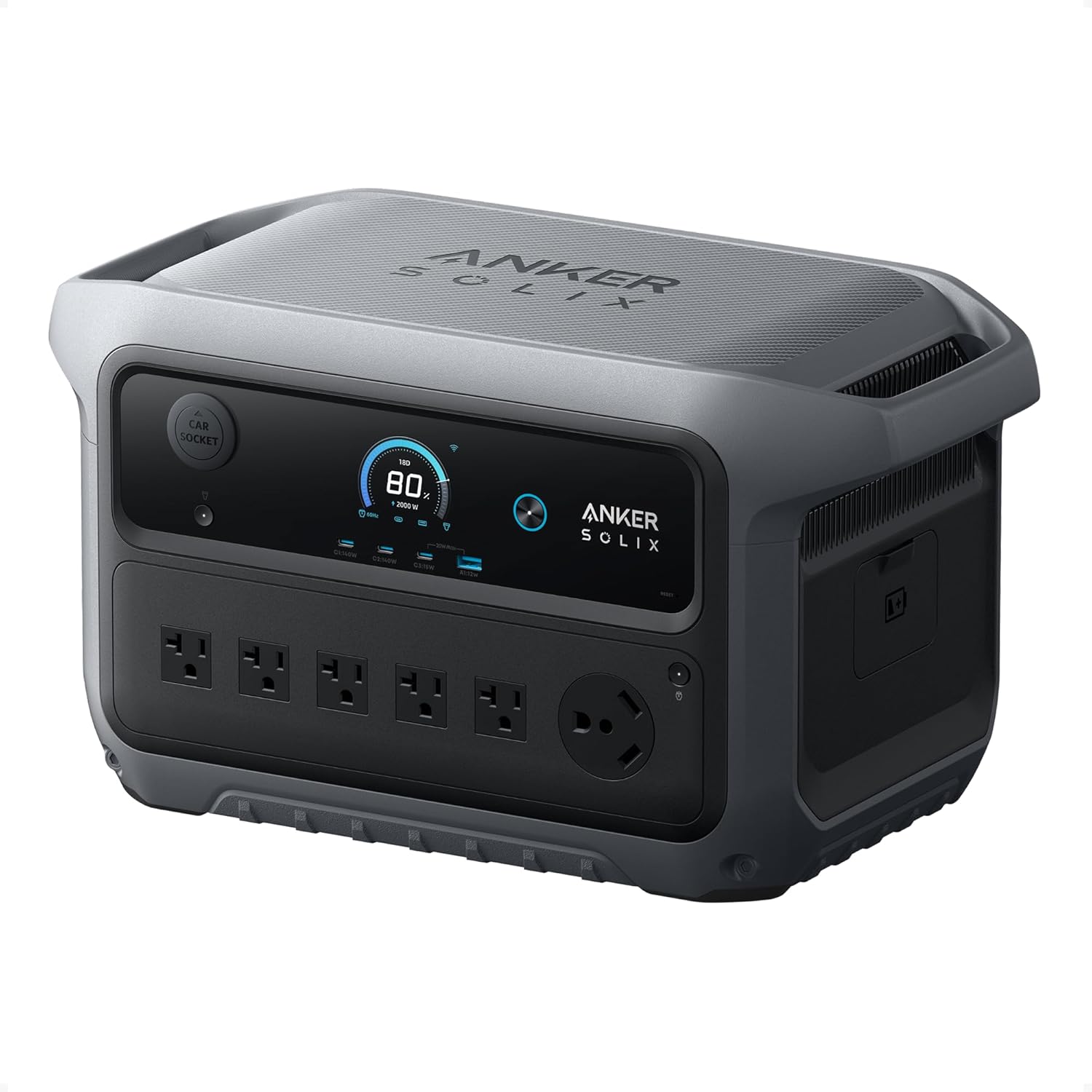
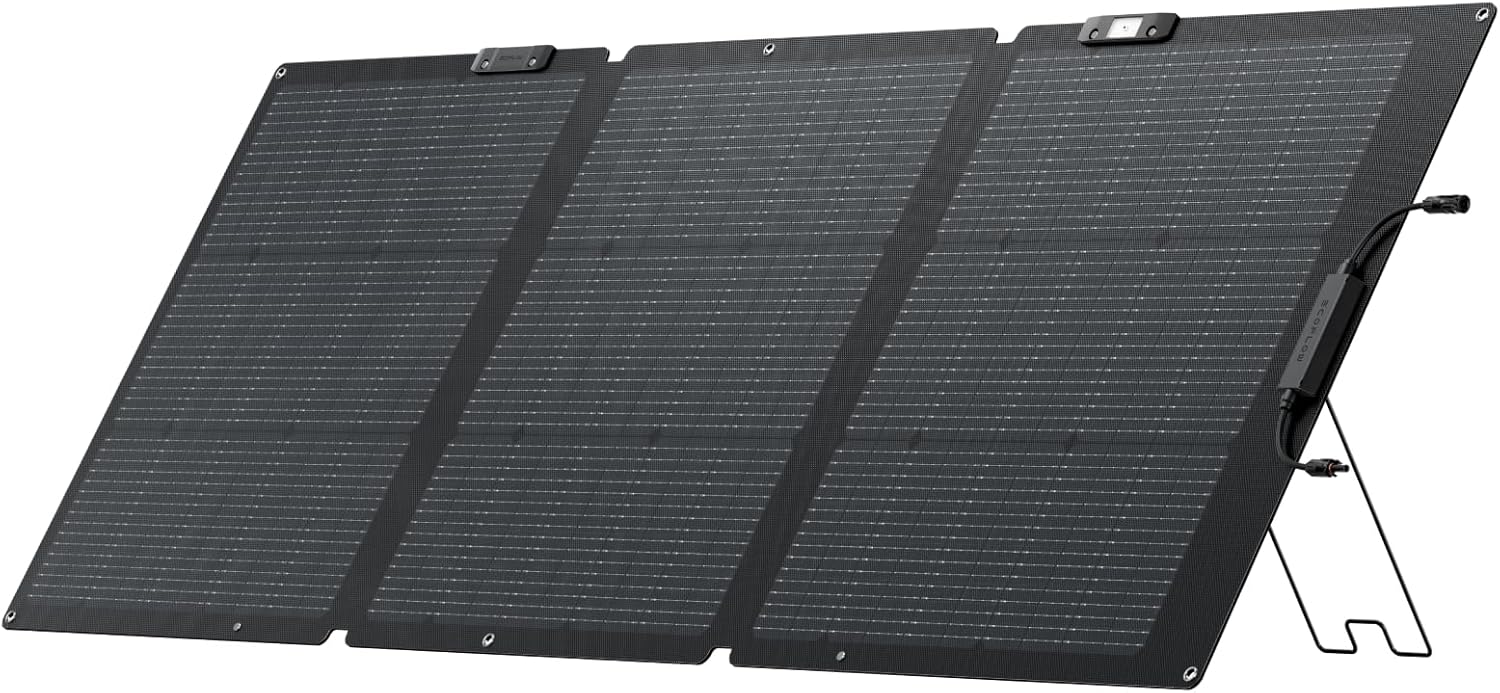
During extended power outages, solar charging becomes invaluable. Many modern power stations are compatible with solar panels, allowing you to recharge the battery even when the grid is down. Look for models with MPPT (Maximum Power Point Tracking) controllers, which optimize solar charging efficiency. This feature ensures you can keep your devices running for days or even weeks without access to traditional power sources.Number of Outlets
Finally, consider the number and type of outlets available. A well-designed power station should have enough AC outlets, USB ports, and DC outputs to accommodate all your medical devices simultaneously. Some models even include 12V carports or specialized outputs for CPAP machines, adding versatility to your setup.Real-World Power Duration Table
To help you understand how long different power stations can run common medical devices, we've compiled a real-world power duration table. These estimates assume optimal conditions and typical device usage.
| Device / Power Station | EcoFlow DELTA 2 (1024Wh) | BLUETTI AC200P (2000Wh) | EcoFlow DELTA Pro (3600Wh) |
|---|---|---|---|
| CPAP (40W, 8 hrs) | ~12-16 hrs | ~40-48 hrs | ~72-80 hrs |
| Oxygen Concentrator (300W) | ~3 hrs | ~6-7 hrs | ~11-12 hrs |
| CPAP + Oxygen (340W, 8 hrs) | ~8 hrs | ~20-22 hrs | ~30-32 hrs |
Note: Actual runtimes may vary based on device efficiency, power station settings, and environmental factors.
Yamaha EF2200iS 2200W Portable Inverter Generator
- 2200W max / 1900W rated output
- Whisper-quiet 51.5–65 dB, industry-leading
- Smart Throttle auto-adjusts RPM to save fuel
Setting Up Your Medical Backup Power System — Step-by-Step
Setting up a reliable medical backup power system may seem daunting, but following these steps will ensure you're prepared for any emergency:
1. Assess Your Medical Power Needs
- List all medical devices you plan to power. - Check the wattage and daily energy consumption (Wh) of each device.2. Calculate Total Energy Requirements
- Add up the daily energy needs of all devices. - Multiply by 2 to account for a capacity buffer.3. Choose the Right Power Station
- Select a model with sufficient capacity, pure sine wave output, and UPS mode. - Refer to our product reviews for recommendations.4. Select Solar Panels (Optional)
- If extended outages are a concern, purchase compatible solar panels. - Ensure the power station has an MPPT controller for efficient charging.5. Test Your Setup
- Connect your medical devices to the power station and simulate a power outage. - Verify that all devices operate correctly and without interruptions.6. Create a Charging Schedule
- Plan when and how to recharge your power station, especially during outages. - Use solar panels or a generator if grid power is unavailable.7. Store Your System Safely
- Keep the power station in a cool, dry place. - Ensure it's easily accessible during emergencies.8. Perform Regular Maintenance
- Recharge the battery every 3-6 months to maintain performance. - Inspect cables, outlets, and solar panels for wear or damage.Frequently Asked Questions
Can a portable power station run an oxygen concentrator?
Yes, most portable power stations can run an oxygen concentrator, provided the power station has sufficient capacity and pure sine wave output. Check the wattage of your concentrator (typically 200-300W) and ensure the power station can handle this load for the required duration.Is pure sine wave output required for medical devices?
Yes, pure sine wave output is essential for most medical devices. It provides clean and stable power, preventing damage to sensitive electronics. Modified sine wave inverters can cause overheating or malfunctions.How long will a power station run a CPAP machine?
The runtime depends on the power station's capacity and the CPAP machine's wattage. For example, a 1024Wh power station can run a 40W CPAP machine for approximately 12-16 hours. Use this formula: Runtime (hrs) = Battery Capacity (Wh) ÷ Device Wattage (W).Can I use solar panels to charge during an extended outage?
Yes, solar panels are an excellent way to recharge your power station during long outages. Ensure the power station is compatible with solar charging and has an MPPT controller for maximum efficiency.What is UPS mode and why does it matter for medical equipment?
UPS mode allows a power station to instantly switch to battery power during a grid outage. This feature is critical for life-sustaining devices, as it prevents interruptions. Look for a switchover time of less than 20ms.How do I calculate how much battery capacity I need?
To calculate battery capacity, multiply the wattage of your devices by the hours of usage per day. Add up the total energy requirements and multiply by 2 for a capacity buffer. For example: (40W x 8 hrs) + (300W x 3 hrs) = 1,240Wh. Double this to 2,480Wh for a buffer.Are portable power stations safe for home medical use?
Yes, portable power stations are safe for medical use if they have pure sine wave output and sufficient capacity. Always follow manufacturer guidelines and test your setup before relying on it in an emergency.Which power station is best for home dialysis?
The EcoFlow DELTA Pro is the best choice for home dialysis due to its high capacity (3,600Wh), pure sine wave output, and UPS mode. It can handle the power demands of dialysis machines for extended periods.Final Recommendations by Medical Need
| Medical Need | Recommended Model | Link |
|---|---|---|
| CPAP Machine | EcoFlow DELTA 2 | (#) |
| Oxygen Concentrator | BLUETTI AC200P | (#) |
| CPAP + Oxygen Combo | EcoFlow DELTA Pro | (#) |
| Home Dialysis | EcoFlow DELTA Pro | (#) |
In conclusion, investing in a reliable portable power station is an essential step in safeguarding your health during emergencies. By understanding the critical features, calculating your power needs, and setting up your system correctly, you can ensure uninterrupted operation of life-sustaining medical devices. For more information on portable power station costs and how long solar generators last, explore our detailed guides.
Key Takeaways
- Choosing the right portable power station for medical devices means matching capacity and output ports to your actual devices
- Always check actual watt-hours (Wh), not just watts — runtime depends on Wh, not peak output
- Also covers: how to choose a power station for medical needs
- Also covers: what portable power source is best for health devices
- Also covers: why use a portable power station for emergencies
- Compare price-per-Wh across models to find the best value for your budget
People Also Ask
How to choose a power station for medical needs?
See the full breakdown in the article above — we cover this in detail with real-world numbers and product recommendations.
What portable power source is best for health devices?
See the full breakdown in the article above — we cover this in detail with real-world numbers and product recommendations.
Why use a portable power station for emergencies?
See the full breakdown in the article above — we cover this in detail with real-world numbers and product recommendations.
Which portable power station is ideal for medical equipment?
See the full breakdown in the article above — we cover this in detail with real-world numbers and product recommendations.
Can a power station run medical devices during blackouts?
See the full breakdown in the article above — we cover this in detail with real-world numbers and product recommendations.