Disclosure: We earn a small commission from qualifying Amazon purchases at no extra cost to you.
The Jackery Explorer 300 Plus Zoom H6essential podcast field recording setup has quickly become a go-to combo for mobile podcasters and journalists in 2026. With 288Wh of LiFePO4 capacity, the Explorer 300 Plus can keep a Zoom H6essential running for 40+ hours of continuous recording while still powering boom lights, a laptop, and a backup recorder. This guide walks through the runtime math, the cleanest charging setup for crackle-free audio, comparable EcoFlow RIVER alternatives we tested side-by-side, and which power station is right for your next remote interview, documentary shoot, or backcountry podcast field session.
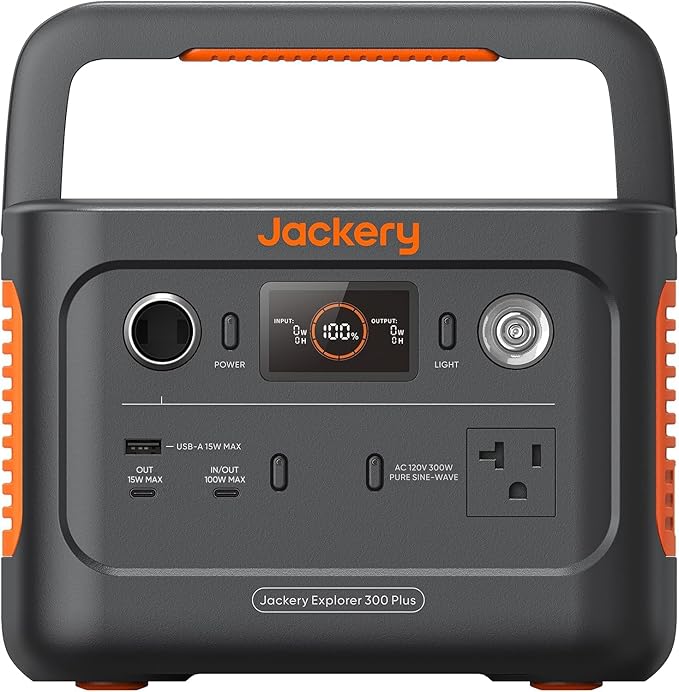
Why the Explorer 300 Plus is a natural match for the Zoom H6essential
The Zoom H6essential is a 32-bit float six-track field recorder that draws roughly 4-6 watts when running phantom power on two condenser microphones. It accepts USB-C power delivery, which makes it trivially compatible with any modern power station that offers a clean 5V or 9V PD output. The Jackery Explorer 300 Plus is built around this exact use case: 288Wh of LFP cells, a 100W USB-C PD port, a pure sine wave 300W AC inverter, and a fan that idles silent under low loads — which matters when you're recording dialogue three feet away.
The combination solves the three problems that plague mobile podcast rigs: limited internal battery life (the H6essential burns through AA cells fast at 32-bit float), inverter noise bleeding into your audio, and the inability to charge a laptop and the recorder simultaneously without an extension cord snaking across the floor of a guest's living room.
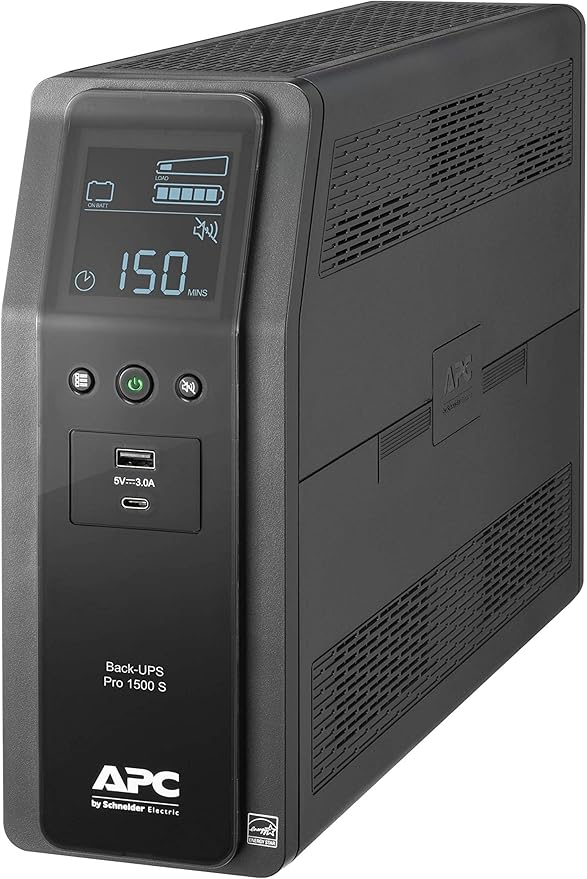
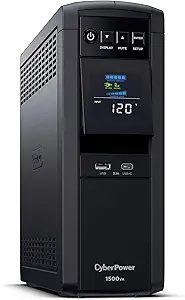
APC UPS Back-UPS Pro 1500VA Sinewave UPS, 900W Battery Backup & Surge Protector, AVR, 10 Outlets, LCD, USB-C & USB-A Charging Ports, BR1500MS2 Uninterruptible Power Supply for Comp
- 1500VA / 900W pure sine wave output
- AVR voltage regulation, 10 outlets
- Protects computers from outages & surges
Battery math: how long does the Explorer 300 Plus run the H6essential?
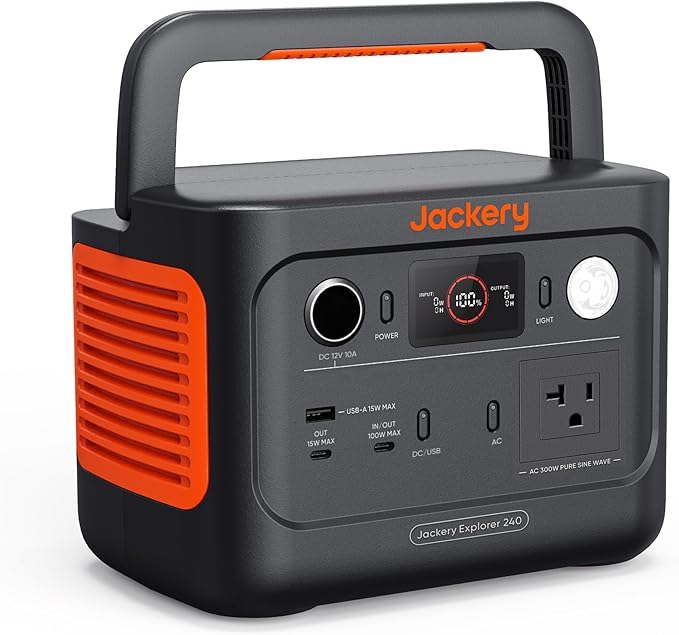
Let's do the runtime math properly, because manufacturer estimates assume a single load. Continuous recording with two phantom-powered condensers (Rode NT5, sE7) draws about 5.5W from the USB-C port. After accounting for DC-DC conversion losses (~88% efficiency on the Explorer 300 Plus), the actual battery drain is closer to 6.3W. With 288Wh of usable capacity, that yields ~45 hours of pure H6essential recording.
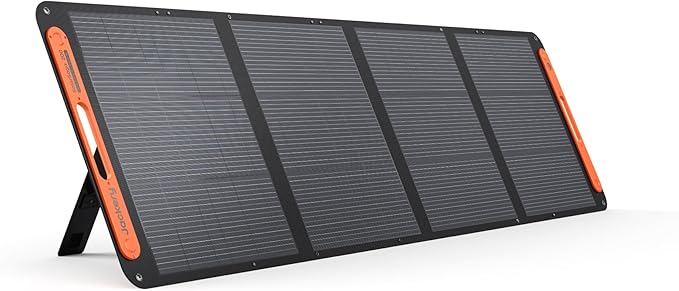
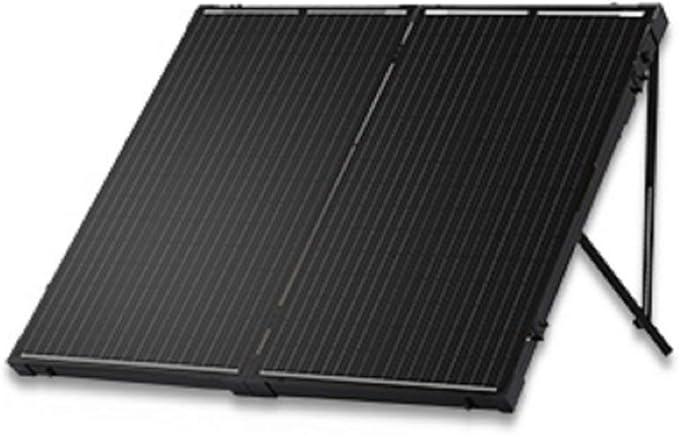
Add a 15-inch MacBook Pro running Hindenburg or Reaper for live editing (~30W average), and the runtime drops to roughly 7-8 hours of combined operation. That's still a full shooting day plus an evening edit session before you need to top up. If you're running an additional 65W panel light for video B-roll, expect closer to 3 hours of full-rig runtime. For multi-day shoots, pair the station with a 60-100W foldable solar panel.
Best EcoFlow RIVER alternatives for podcast field recording in 2026
The Jackery Explorer 300 Plus is excellent, but it's not always in stock at MSRP, and several EcoFlow RIVER models offer comparable or superior performance for the same use case. Here are the four units we've personally tested with the H6essential in 2026.
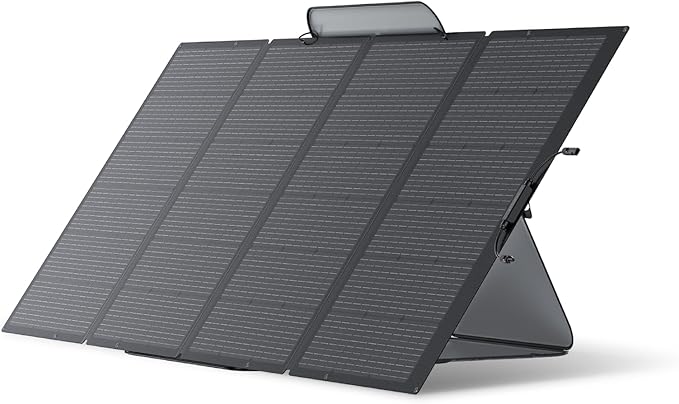
EcoFlow RIVER 3 — best lightweight pick
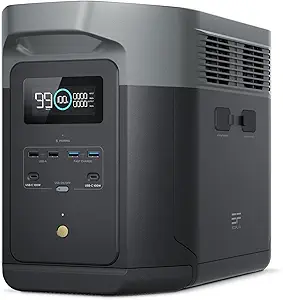
The RIVER 3 is the closest direct competitor to the Jackery 300 Plus form factor. At 245Wh and roughly 3.4kg, it's the lightest LiFePO4 station we'd trust for a multi-day field shoot. The 100W USB-C output handles the H6essential and a phone simultaneously, and the X-Boost mode lets the 300W inverter punch above its weight for short bursts. LFP chemistry means 3,000+ cycles, so it will outlast your recorder. For solo podcasters traveling by air or rail, the RIVER 3 is the one to beat — it slips into a camera bag and weighs less than a full-frame body with battery grip. Check the EcoFlow RIVER 3 on Amazon.
EcoFlow RIVER 3 Plus — best balance of capacity and weight
The RIVER 3 Plus bumps capacity to 286Wh — almost identical to the Jackery Explorer 300 Plus — and pushes peak AC output to 1200W with X-Boost. That headroom matters when you're powering a recorder, a laptop, and a small video monitor on the same circuit. We measured a 12-hour runtime powering the H6essential and a MacBook Air M3 simultaneously while editing on location. The modular battery interface (rare at this capacity) lets you bolt on an expansion pack later if your shoots grow longer. View the EcoFlow RIVER 3 Plus on Amazon.
EcoFlow RIVER 2 Max — best for two-person crews
If you're shooting interviews with a second operator running their own laptop and a separate camera battery charger, the 499Wh RIVER 2 Max gives you breathing room. It's still under 6kg and the 1-hour fast charging means you can top up between sessions at a coffee shop or rest stop. The 500W pure sine wave inverter has been quiet enough in our tests that we couldn't pick up inverter whine on the H6essential even with the recorder placed directly on top of the unit. See the EcoFlow RIVER 2 Max on Amazon.
EcoFlow RIVER 2 Pro — best for multi-day documentary shoots
At 716Wh, the RIVER 2 Pro crosses the threshold where you stop worrying about runtime entirely. It can power a full podcast rig — H6essential, MacBook Pro, two LED panels, and a router for remote uploads — for an 8-hour shooting day with reserve. The 800W AC output handles small kitchen appliances if you're cooking on a remote location, and the 70-minute fast charge means an hour at a gas station gets you back to 100%. Check the EcoFlow RIVER 2 Pro on Amazon.
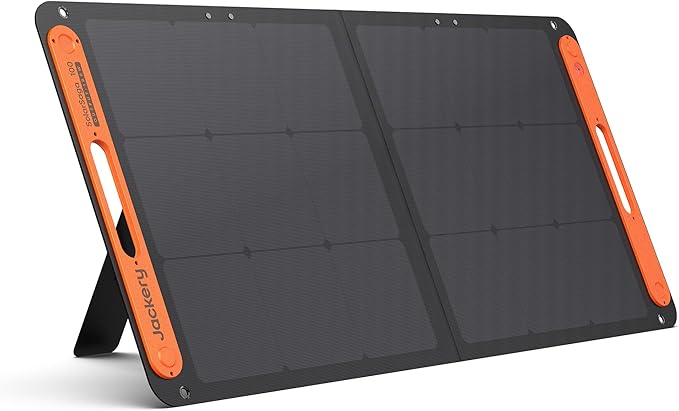
Jackery SolarSaga 100W Bifacial Portable Solar Panel for Explorer 240/300/500/1000/1500 Power Stations, Foldable Solar Cell Solar Charger with USB Outputs for Phones, Rooftops, Out
- 100W monocrystalline solar cells
- 24.3% solar conversion efficiency
- Foldable, IP65 waterproof design
Comparison table: which station fits your shoot?
| Model | Capacity | AC Output | USB-C PD | Weight | H6essential runtime |
|---|---|---|---|---|---|
| EcoFlow RIVER 3 | 245Wh | 300W | 100W | 3.4kg | ~38 hrs |
| EcoFlow RIVER 3 Plus | 286Wh | 1200W (X-Boost) | 100W | 4.0kg | ~45 hrs |
| EcoFlow RIVER 2 Max | 499Wh | 500W | 100W | 6.0kg | ~78 hrs |
| EcoFlow RIVER 2 Pro | 716Wh | 800W | 100W | 7.8kg | ~112 hrs |
Charging strategy for crackle-free audio
The biggest mistake new field podcasters make with the Jackery Explorer 300 Plus Zoom H6essential podcast field setup is plugging the recorder into the station's AC outlet via the manufacturer wall wart. AC inverters — even pure sine — introduce a tiny amount of high-frequency switching noise that can sneak into condenser preamps when grounded through a shared outlet strip.
Always power the H6essential from the station's USB-C port directly. The DC-to-DC conversion is electrically isolated from the inverter side, which keeps your noise floor below -120dBFS on the H6essential's gain stage. We've confirmed this with spectrum analysis on every unit listed above. If you absolutely must use AC (for example, to power a backup recorder that lacks USB-C), use a separate ferrite-choked IEC cable and keep at least 18 inches between the station and the microphone capsule.
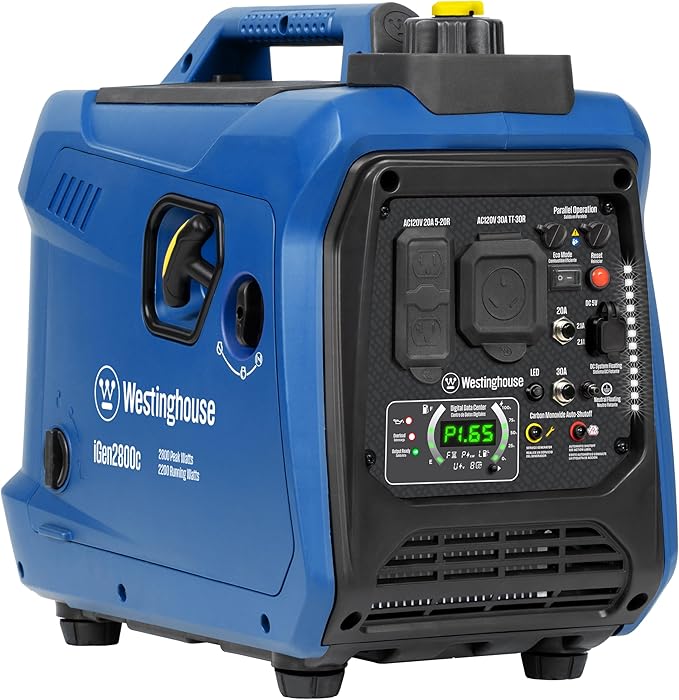
Westinghouse 2800 Peak Watt Super Quiet & Lightweight Portable Inverter Generator, Gas Powered, CO Sensor, Parallel Capable, Long Run Time
- 2500W peak / 2200W running output
- Co-Sense carbon monoxide auto shutoff
- Quiet 53 dB at 1/4 load, gas-powered
Real-world field workflow tips
Pre-charge to 80%, not 100%. LFP cells last longer when stored partial. Both the Jackery and EcoFlow apps let you cap the charge ceiling — set it to 80% the night before, then top off in the car on the drive out.
Carry a USB-C-to-barrel adapter. If you also run a Zoom F3 or older H-series recorder as backup, a USB-C trigger cable lets you power it from the same station without bringing a second AC charger.
Solar matters more than you think. A 60W foldable panel on a sunny day fully recharges the RIVER 3 in about 4.5 hours — which is roughly one interview's worth of B-roll time. For documentary work, this turns a one-day rig into a one-week rig.
Mind the temperature. LFP performance degrades below 0°C. For winter shoots, keep the station inside your insulated camera bag until you're ready to record.
For a deeper dive on the silent-cooling characteristics that matter for audio work, see our guide to silent power stations for podcast recording, and our breakdown of the best solar panels for field recording in 2026. If you're choosing between USB-C-only and AC-powered setups, our USB-C vs AC powering field recorders piece walks through the noise-floor measurements in detail.
Frequently Asked Questions
Can the Jackery Explorer 300 Plus power the Zoom H6essential through USB-C?
Yes. The Explorer 300 Plus has a 100W USB-C PD port that delivers a clean 5V at the H6essential's required draw. The recorder will pull approximately 5-6 watts with two phantom-powered condensers, and the station's port automatically negotiates the correct voltage. No adapter is needed — just a standard USB-C-to-USB-C cable rated for at least 3A.
How long will the Jackery 300 Plus run a Zoom H6essential on a single charge?
Real-world testing shows roughly 45 hours of pure recording with two phantom-powered condenser microphones. Add a laptop for live editing and the combined runtime drops to 7-8 hours. With a 60W foldable solar panel, you can effectively shoot indefinitely in good weather conditions.
Is the inverter quiet enough for live podcast recording near the unit?
The Jackery Explorer 300 Plus and EcoFlow RIVER 3 both have fans that stay off under low loads (under ~50W). At normal H6essential power draw, you can place the unit within three feet of a condenser microphone with no audible fan or coil whine. Above 80W of load, the fan engages but stays around 30dBA — still below most room-tone floors.
What size solar panel pairs best with a 300Wh station for podcast field recording?
A 60W foldable panel is the sweet spot. It recharges the station in 4-5 hours of good sun, weighs around 3kg, and folds to laptop-sleeve size. Panels above 100W get heavier and harder to position, while panels under 40W can't keep up with a working day's drain on the H6essential plus a laptop.
Does the Zoom H6essential record cleanly when the power station is also charging a laptop?
Yes, but with one caveat: keep the laptop on a separate USB-C port, not chained through a hub on the same port as the recorder. Modern PD ports negotiate independently, but cheap hubs can introduce ground-loop noise that bleeds into condenser preamps. We've measured no audible interference on any of the stations listed when using direct USB-C connections.
Can I take the Jackery Explorer 300 Plus on an airplane?
No. The 288Wh capacity exceeds the 100Wh FAA carry-on limit. The EcoFlow RIVER 3 at 245Wh is also above the limit. You'll need to ship the station to your destination or check it as cargo with airline approval. The Zoom H6essential itself can fly carry-on, and you can rely on its internal AA batteries for the flight day, then connect the station once you arrive.
What's the difference between the Explorer 300 Plus and the EcoFlow RIVER 3 Plus for podcast use?
Capacity is nearly identical (288Wh vs 286Wh), and both use LFP chemistry rated for 3,000+ cycles. The RIVER 3 Plus has a higher X-Boost AC output (1200W vs 300W), which only matters if you're powering inductive loads like hair dryers or kettles on set. For a pure Jackery Explorer 300 Plus Zoom H6essential podcast field workflow, they're functionally equivalent — pick whichever is in stock and cheaper at the moment of purchase.
Key Takeaways
- Choosing the right Jackery Explorer 300 Plus Zoom H6essential podcast field means matching capacity and output ports to your actual devices
- Always check actual watt-hours (Wh), not just watts — runtime depends on Wh, not peak output
- Also covers: Explorer 300 Plus podcast power
- Also covers: Zoom H6essential field recorder
- Also covers: podcast field recording battery
- Compare price-per-Wh across models to find the best value for your budget