Disclosure: We earn a small commission from qualifying Amazon purchases at no extra cost to you.
The Goal Zero Yeti Pro 4000 for NexStar Evolution astrophotography pairs a 3993Wh LiFePO4 battery with regulated 12V output, giving Celestron's flagship alt-az mount, dew heaters, a cooled CMOS camera, mini PC, and laptop enough silent runtime to span multiple dark-sky nights without a gas generator. Under a typical imaging chain pulling 80–140W, a fully charged Yeti Pro 4000 will sustain a complete deep-sky session for 20–35 hours, depending on accessory draw, dew load, and ambient temperature. For traveling astrophotographers chasing Bortle 1 and 2 skies in 2026, that translates to one charge often covering an entire weekend trip without ever needing to swap batteries mid-session.
When shopping for goal zero yeti pro 4000 for nexstar evolution astrophotography, it pays to compare specs, capacity, and real-world runtime before committing.
Why the Yeti Pro 4000 Fits the NexStar Evolution Imaging Workflow
The Celestron NexStar Evolution 6, 8, and 9.25 ship with an internal lithium pack rated for roughly 10 hours of visual observing, but astrophotography is a different beast. Once you bolt on a guidescope, a ZWO ASI cooled camera (the TEC alone pulls 20–35W during cooldown), an electronic focuser, a dew heater band around the corrector plate, a USB hub, and a Windows mini PC running N.I.N.A. or ASIAIR Plus, total draw quickly climbs past what the onboard battery can carry across a single moonless night. The Yeti Pro 4000 absorbs that load with room to spare.
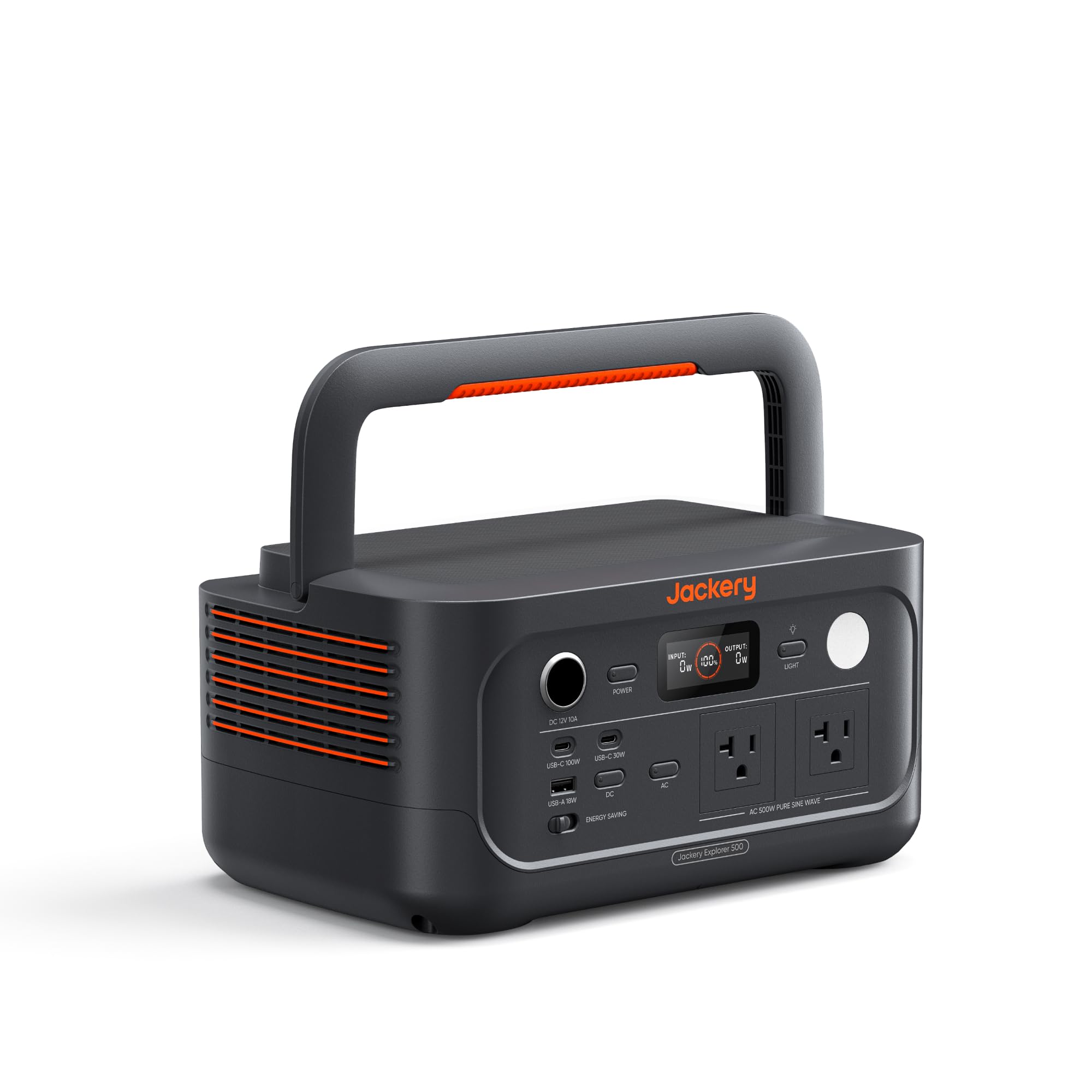
What makes this unit particularly appropriate for dark-sky astrophotography:
- LiFePO4 chemistry. Handles cold remote-site temperatures far better than the older NMC packs found in legacy Yeti units. Capacity loss at 0°C is minimal compared to lithium-ion.
- Regulated 12V output. The high-power port holds steady at roughly 13.6V even as the battery drains, which the NexStar Evolution's drive electronics prefer. Voltage sag from a cheap car-battery jump pack will cause tracking glitches and No-Response errors.
- Silent operation. Fans only spin under heavy AC inversion. For visual or imaging work where you want zero acoustic disturbance, this matters.
- USB-C PD up to 100W. Charges modern imaging laptops directly without a brick.
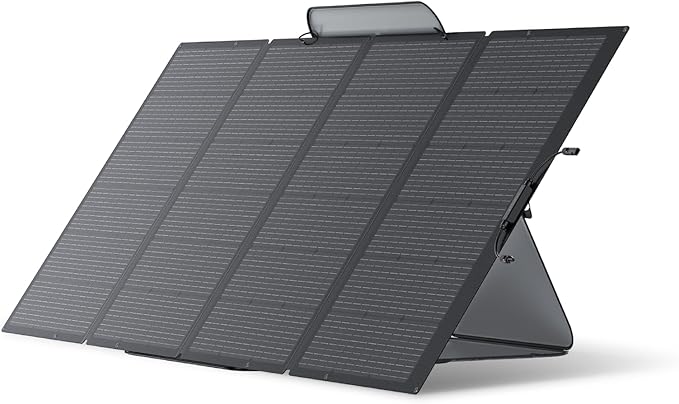
- Solar input up to 3000W. Pair with two 400W panels for off-grid recharging during the day before a second night.
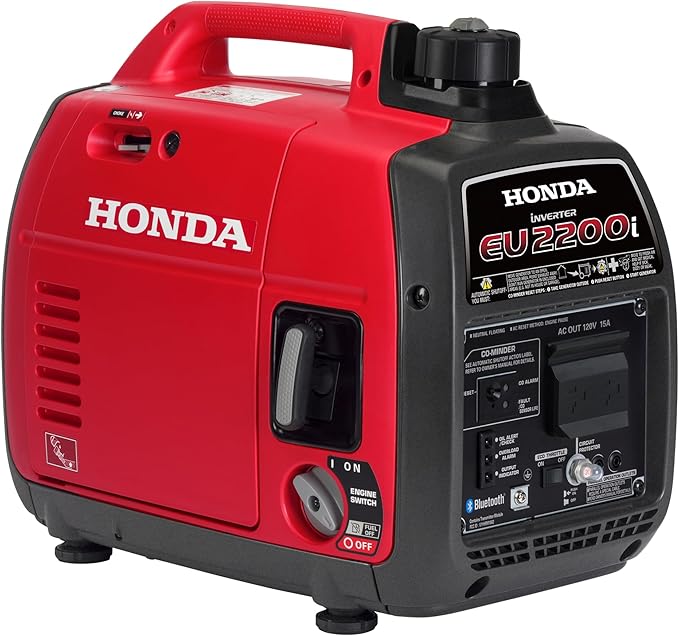
Honda EU2200i 2200-Watt 120-Volt Super Quiet Portable Inverter Generator
- 2200W max / 1800W rated output
- Super quiet 48–57 dB operation
- Runs 4–8.1 hours per tank, 0.95 gal
Typical Power Budget for a NexStar Evolution Astrophotography Rig
Before deciding whether you actually need the full 4000Wh class, do the math on your own gear. A realistic mid-tier deep-sky setup running through a single autumn night looks like this:
- NexStar Evolution mount tracking + slewing: 12–18W average (peaks to 40W during slews)
- ZWO ASI2600MC Pro cooled camera at -10°C: 8–15W steady, 25–35W during cooldown
- Guide camera + guidescope: 1–2W
- EAF focuser: 1W idle, 4W during focus runs
- Dew heater on 8" SCT corrector: 12–25W depending on humidity
- ASIAIR Plus or mini PC: 6–15W
- Laptop (charging intermittently): 30–60W
Add it up and you'll find most rigs sit around 80–120W of continuous draw. Over 10 hours, that's 800–1200Wh consumed—well under the Yeti Pro 4000's headline capacity, which is exactly why this class of station is overkill for a single session but ideal for multi-night excursions, cold-weather imaging where capacity derates apply, or shared-power setups powering two scopes.
When a Smaller Power Station Is Actually the Smarter Pick
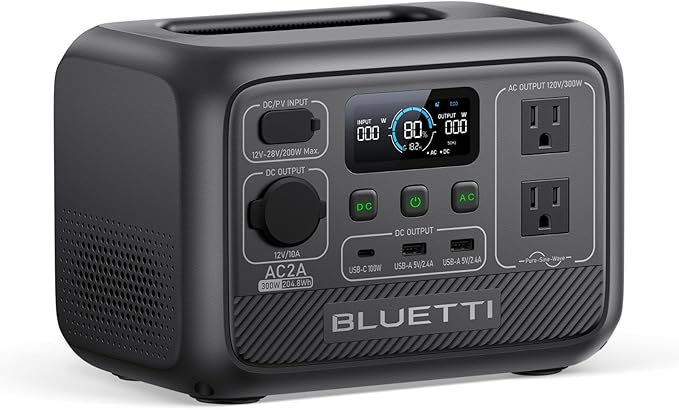
The Yeti Pro 4000 weighs roughly 119 lbs. If your dark-sky workflow involves carrying gear from a parking area to a setup pad, or if you're flying to a star party and renting a vehicle, that's a serious logistical commitment. Many NexStar Evolution astrophotographers running short three-to-six-hour sessions find that a 500–800Wh portable station handles the load comfortably and weighs under 20 lbs.
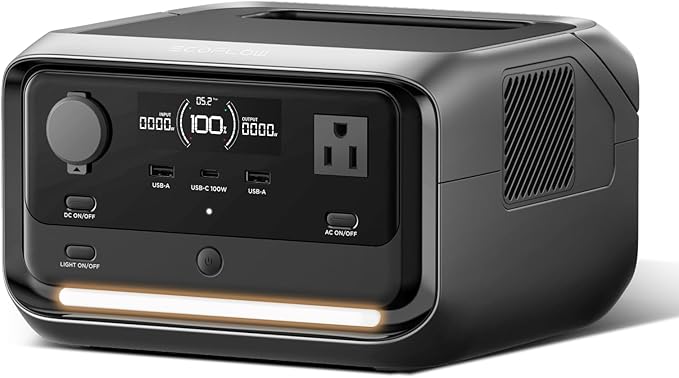
The EcoFlow RIVER 2 Pro is the closest pure-LiFePO4 alternative in the lightweight class, with 716Wh of capacity, an X-Stream-style fast recharge that brings it to 100% in roughly 70 minutes, and a 13.6V regulated car port. For a mount-plus-camera-plus-dew-heater setup pulling 60W, that's roughly 10–11 hours of runtime—one full astronomical night. Below that, the RIVER 2 Max at 499Wh covers shorter sessions or a mount-only configuration where the laptop runs from its internal battery.
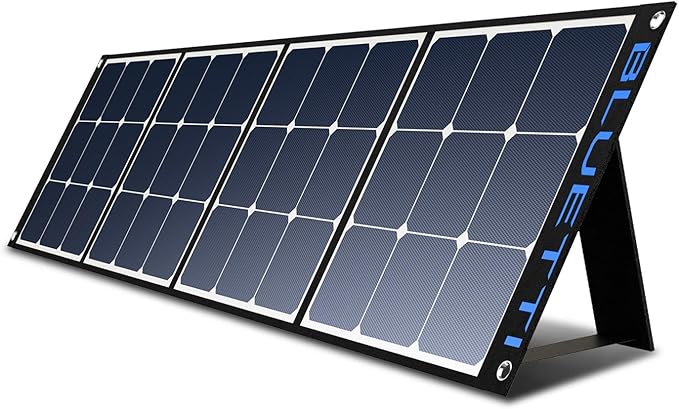
Comparison: Yeti Pro 4000 vs. Lightweight LiFePO4 Alternatives
| Station | Capacity | Chemistry | Weight | Best For |
|---|---|---|---|---|
| Goal Zero Yeti Pro 4000 | 3993Wh | LiFePO4 | ~119 lbs | Multi-night remote trips, two-scope setups, cold sites |
| EcoFlow RIVER 2 Pro | 716Wh | LiFePO4 | ~17 lbs | Full-night single-scope imaging with all accessories |
| EcoFlow RIVER 2 Max | 499Wh | LiFePO4 | ~13 lbs | Short 4–6 hour sessions, mount + camera only |
| EcoFlow RIVER 3 Plus | 286Wh | LiFePO4 | ~9 lbs | Backup unit for dew heaters or laptop top-ups |
| EcoFlow RIVER 3 | 245Wh | LiFePO4 | ~7 lbs | Travel kit emergency reserve, accessory-only loads |
If you already own the Yeti Pro 4000 for home backup or RV use, by all means take it dark-sky. The capacity headroom is genuinely useful in winter. But if you're buying purpose-built for a NexStar Evolution astrophotography kit and don't need wall-power-class output, one of the lighter LiFePO4 stations below will likely serve better. See our breakdown of LiFePO4 vs lithium-ion for astrophotography for a deeper look at chemistry trade-offs in cold weather.
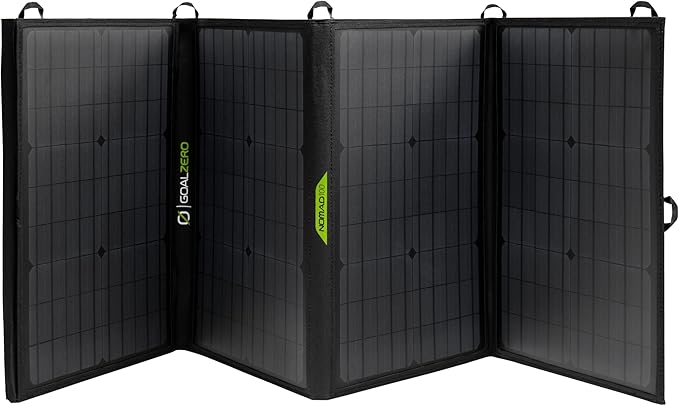
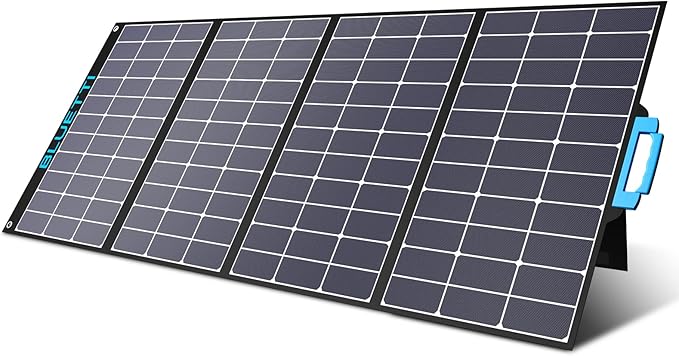
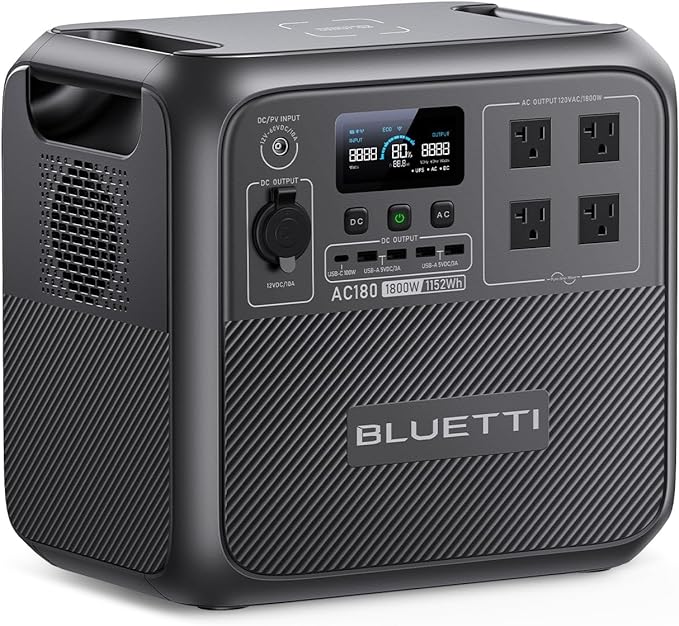
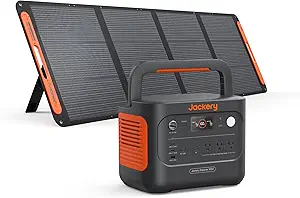
BLUETTI SP350 350W Solar Panel for AC180/AC200L/AC200MAX/AC200P/AC300/EB240 Portable Power Stations with Adjustable Kickstand, Foldable Solar Power Backup for Outdoor Camping,Off G
- 350W high-power monocrystalline cells
- 23.4% conversion efficiency
- ETFE laminated, splash-proof
Recommended Lightweight Power Stations for NexStar Evolution Imaging
EcoFlow RIVER 2 Pro — Best Full-Night Companion
The RIVER 2 Pro is the sweet spot for a single NexStar Evolution astrophotography rig. Its 716Wh LiFePO4 cell pack will run a tracking mount, a cooled camera at moderate set point, a dew strap, and an ASIAIR for roughly 9–11 hours—enough to cover astronomical darkness from twilight to twilight at mid-latitudes during most of the year. The regulated 12V car port holds voltage steady as the pack drains, and the 70-minute fast recharge means you can top off during lunch on a multi-day trip. Three pure sine AC outlets at 800W continuous handle any laptop charger or accessory brick. Check the EcoFlow RIVER 2 Pro on Amazon.
EcoFlow RIVER 2 Max — Best for Compact Travel Setups
For imagers who fly to dark-sky sites and want to stay under airline lithium limits, the RIVER 2 Max squeezes 499Wh into roughly 13 pounds. It will run a NexStar Evolution and a single cooled camera for 6–8 hours, which covers most single-target imaging plans. The 1-hour AC recharge is the fastest in its class—useful when you've got limited daylight at a campground outlet. Pair it with a 110W solar panel for genuinely off-grid weekends. View the EcoFlow RIVER 2 Max on Amazon.
EcoFlow RIVER 3 Plus — Best Dedicated Dew-Heater Battery
Many astrophotographers run two power sources to isolate noisy accessories from sensitive imaging electronics. The RIVER 3 Plus at 286Wh makes an excellent dedicated dew-heater and accessory battery, leaving the main Yeti Pro 4000 to handle the mount and camera. Up to 1200W AC output via X-Boost handles wall-wart accessories, and at roughly 9 lbs it tucks into a tripod bag. See the EcoFlow RIVER 3 Plus on Amazon.
EcoFlow RIVER 3 — Best Backup / Accessory-Only Reserve
The 245Wh RIVER 3 is too small to be a primary station for a full astrophotography load, but it earns a spot in many kits as an emergency reserve for the laptop or a dew heater if the main pack dies unexpectedly. At about 7 lbs it's hand-luggage friendly and recharges in roughly an hour. See the EcoFlow RIVER 3 on Amazon.
Field Tips for Goal Zero Yeti Pro 4000 NexStar Evolution Astrophotography Sessions
A few hard-won lessons from running large LiFePO4 stations at dark-sky sites:
- Use the 12V regulated output, not AC-to-12V bricks. Going from battery DC to AC and back through a wall-wart wastes 15–25% of your capacity. Wire the NexStar Evolution directly from the Yeti's regulated 12V port with a fused powerpole-to-2.1mm barrel cable.
- Preheat in your tent or car at sub-zero sites. LiFePO4 doesn't like charging below 0°C, though it discharges fine. If you plan to top up with solar on a frosty morning, let the unit warm up first.
- Disable the LCD auto-on feature. The screen backlight will ruin dark adaptation. Either cover it with red gel or set it to sleep after 30 seconds.
- Cable management matters. Run all DC lines from the station along a single side of the tripod to keep stray cables out of the field of view during meridian flips. Our guide to 12V power options for dew heaters covers fused distribution blocks that simplify this.
- Charge to 80–90% for storage. LiFePO4 lasts longest stored partially charged. The Yeti app lets you set a charge ceiling.
For imagers running heavier mounts like the Celestron CGX or 10Micron series, the math changes again—see our companion piece on the best power station for Celestron CGX setups for that comparison.
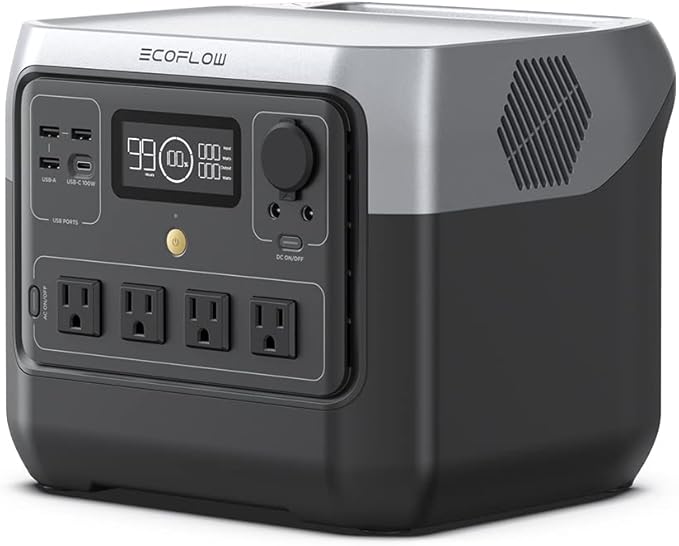
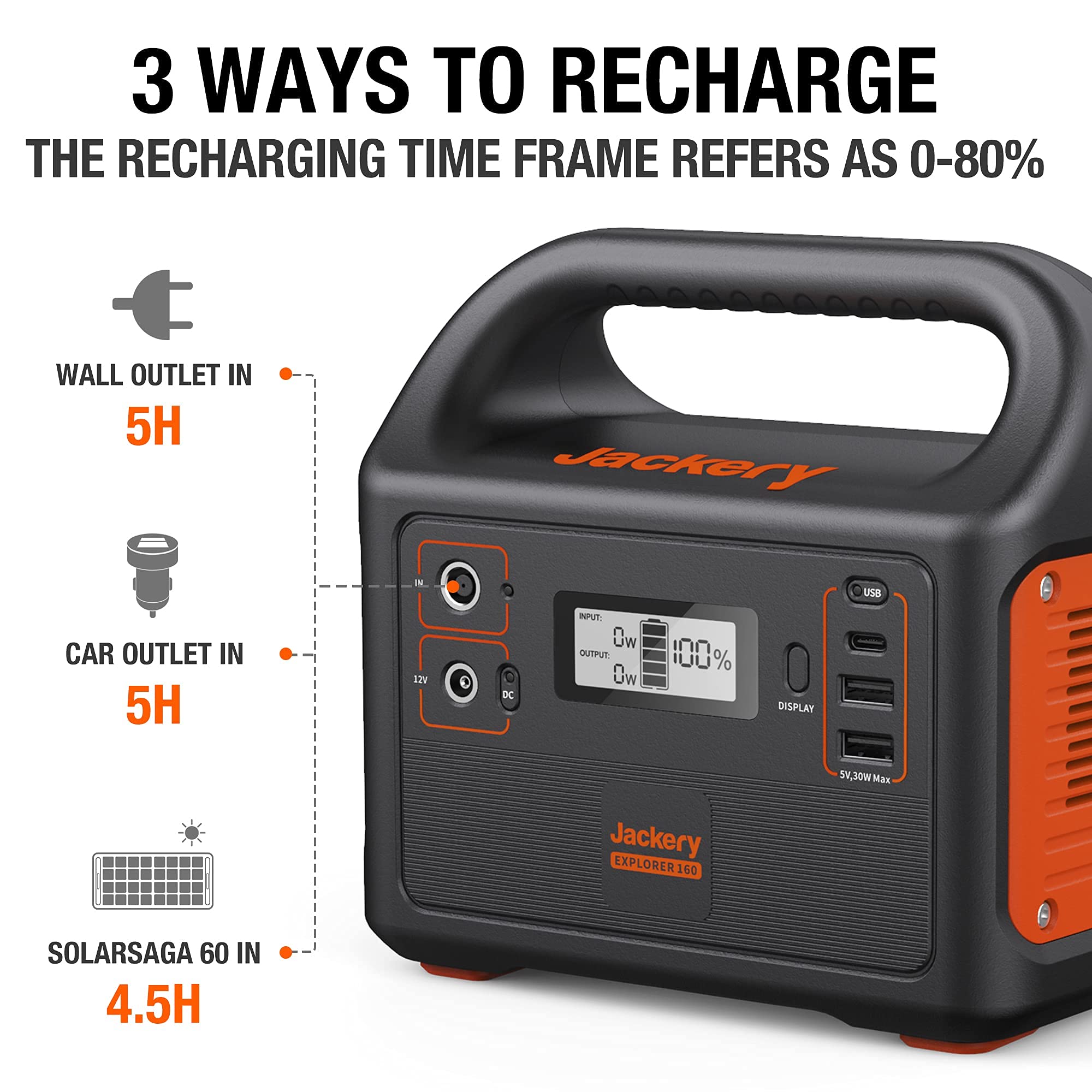
EF ECOFLOW Portable Power Station RIVER 2 Pro, 768Wh LiFePO4 Battery, 70 Min Fast Charging, 4X800W (X-Boost 1600W) AC Outlets, Solar Generator for Outdoor Camping/RVs/Home Use Blac
- 768Wh LFP battery
- 800W AC output (1600W X-Boost)
- Full charge in 70 minutes
Frequently Asked Questions
How long will a Goal Zero Yeti Pro 4000 run a NexStar Evolution with a cooled camera?
At a typical 90–110W combined draw (mount, ZWO cooled camera at moderate set point, dew heater, ASIAIR, and laptop trickle-charging), the Yeti Pro 4000's 3993Wh capacity yields roughly 28–40 hours of imaging—enough for three to four full nights at mid-latitudes during winter, or two long summer sessions when nights are shorter. Cold weather may reduce usable capacity by 5–10% even with LiFePO4 chemistry.
Can I use the NexStar Evolution's built-in battery and a power station at the same time?
No—plugging the external 12V power input into the NexStar Evolution overrides and bypasses the internal pack. The internal battery is a useful backup if your external station dies unexpectedly, but it doesn't add to total runtime in parallel. Many imagers carry a small station like the EcoFlow RIVER 3 specifically as a backup so the internal battery stays fresh for visual nights.
Is 12V from the Yeti Pro 4000 clean enough for sensitive astronomy electronics?
Yes. The Yeti Pro 4000's regulated 12V output produces well-filtered DC at approximately 13.6V, which falls within the input range every modern GoTo mount and cooled camera accepts. Some imagers add an inline DC-DC buck converter to lock voltage at exactly 12.0V for very voltage-sensitive accessories, but the NexStar Evolution itself is happy with the native output.
Will solar recharging keep up during a multi-night dark-sky trip?
With two 400W panels in good sun, the Yeti Pro 4000 can replenish 4–6 kWh of energy over a full day—more than enough to offset overnight imaging consumption. Partial cloud cover or short winter days reduce that significantly, so plan for 50–60% of nameplate solar input in real-world conditions.
What's the lightest portable power station that can actually run a full astrophotography session?
The EcoFlow RIVER 2 Pro at roughly 17 lbs is the practical lower bound for a full single-rig night with all accessories running. Below 500Wh you'll either need to drop the dew heater, run the laptop on its own battery, or shorten the session.
Does cold weather affect the Yeti Pro 4000 differently than older Yeti models?
Yes, significantly. The LiFePO4 cells in the Pro 4000 retain a much higher percentage of rated capacity at 0°C than the NMC cells in older Yeti 1000/1500 units, and they tolerate hundreds more charge cycles. Discharge works down to roughly -20°C, though charging is restricted below freezing.
Can I use the Yeti Pro 4000 to power two NexStar Evolution scopes simultaneously?
Easily. Two NexStar Evolution rigs with full imaging chains together draw around 180–220W, well within the Yeti Pro 4000's continuous output. You'd still get 16–20 hours of dual-rig runtime per charge, making this station genuinely useful for group dark-sky weekends or workshops.
Is the Goal Zero Yeti Pro 4000 worth it just for astrophotography?
For single-night sessions or backyard imaging, it's overkill—a 500–800Wh LiFePO4 station like the RIVER 2 Pro covers the load at a fraction of the cost and weight. The Yeti Pro 4000 earns its price when you're doing multi-night remote trips, running multiple rigs, imaging in genuinely cold conditions where capacity derates matter, or using the station for home backup the rest of the year.
Key Takeaways
- Choosing the right goal zero yeti pro 4000 for nexstar evolution astrophotography means matching capacity and output ports to your actual devices
- Always check actual watt-hours (Wh), not just watts — runtime depends on Wh, not peak output
- Also covers: goal zero yeti pro 4000 telescope tracking mount
- Also covers: nexstar evolution all night power
- Also covers: astrophotography dark sky park battery
- Compare price-per-Wh across models to find the best value for your budget