Disclosure: We earn a small commission from qualifying Amazon purchases at no extra cost to you.
Short answer: yes, the Goal Zero Yeti 4000 Pro for chest freezer venison outage duty is one of the better off-the-shelf matches you can buy in 2026. With 3,993Wh of LiFePO4 storage and a 3,000W (6,000W surge) inverter, the Yeti 4000 Pro will keep a typical 7–15 cu ft chest freezer cold for roughly 4 to 7 days on a single charge with no sun, and effectively indefinitely if you pair it with 600–1,200W of solar input on the roof, shed, or a ground rack. For a rural hunter sitting on 200+ pounds of cut-and-wrapped deer, that's the difference between a freezer full of jerky-quality meat and a tailgate full of spoiled losses after a four-day ice storm.
Below I walk through the actual runtime math for venison-loaded chest freezers, where the Yeti 4000 Pro shines versus where a smaller LiFePO4 unit makes more sense, how to wire solar input so the freezer rides through multi-day rural outages, and what to do if you already own a smaller power station and just want to bridge a short outage.
Why the Goal Zero Yeti 4000 Pro fits this exact job
A chest freezer is one of the friendliest appliances a power station will ever see. Modern 7–15 cu ft chest freezers draw 80–120W while the compressor is running and idle near 0W between cycles. Over 24 hours, a full, well-sealed chest freezer in a 65–70°F utility room typically consumes 700–1,100Wh — less if it's packed solid with frozen venison, which acts as thermal mass and keeps cycle times short.
That's why the Goal Zero Yeti 4000 Pro for chest freezer venison outage scenarios works out so well: 3,993Wh of usable LiFePO4 divided by ~900Wh/day gives roughly 4.4 days of cold storage with zero solar input, and closer to 6–7 days if the freezer is full of frozen meat and the ambient temperature is cool. A half-empty freezer in a 75°F garage will burn through that budget in 3 days, which is the single biggest variable rural hunters underestimate.
Three reasons the Yeti 4000 Pro specifically earns its keep for this use case:
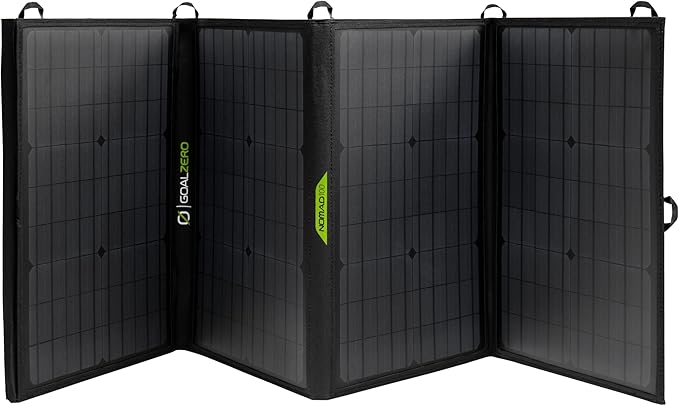
- LiFePO4 chemistry with a 10-year, 4,000-cycle warranty profile. A backup unit that lives plugged in and cycled hard during outages needs the longevity LiFePO4 provides; older NMC-based Yetis didn't.
- 3,000W pure sine inverter with 6,000W surge. Chest freezer compressors briefly spike 4–6x their running watts at startup. Smaller 600–1,200W inverters can trip on cold-start surge after a long outage, especially with an older or oversized compressor.
- Up to 3,000W of solar input on the Pro. This is the killer feature for rural outages: a single sunny day with 1,200W of panels deployed can fully refill the battery, meaning the freezer can ride out an open-ended outage so long as the weather cooperates.
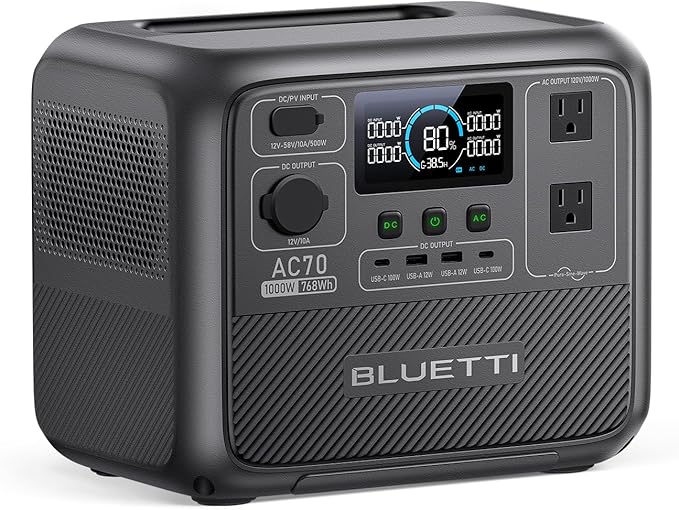
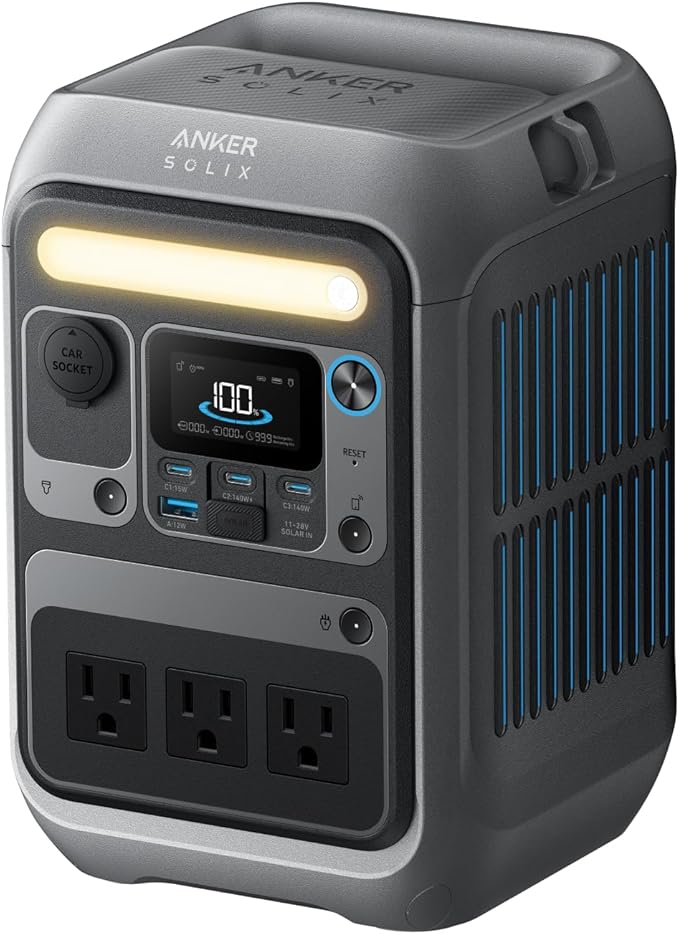
BLUETTI AC70 Portable Power Station, 768Wh Solar Generator w/ 2 1000W AC Outlets (Power Lifting 2000W), 100W Type-C, LiFePO4 Battery Backup for Road Trip, Off-Grid, Power Outage (S
- 768Wh LFP battery
- 1000W AC output (2000W turbo)
- UPS functionality built-in
Runtime math for a venison-packed chest freezer
Here's the calculation I run every fall before deer season for clients in rural Pennsylvania, West Virginia, and upstate New York. Assume a 9 cu ft chest freezer, packed roughly 70% full with ground venison, backstraps, roasts, and summer sausage, sitting in a 68°F utility room:
- Compressor runs ~25% duty cycle when full: 24h × 0.25 × 100W = 600Wh/day
- Add ~150Wh/day for defrost cycles, lid openings, and inverter idle losses
- Realistic daily load: 700–800Wh
- Yeti 4000 Pro usable capacity (90% depth of discharge): ~3,593Wh
- Estimated runtime, no sun: 4.5 to 5.1 days
Drop the freezer into an unheated garage at 35°F and that runtime stretches to 6–8 days because the compressor barely cycles. Move it to a 78°F mudroom and it can collapse to 3 days. Ambient temperature is the lever, not the freezer label rating.
When a smaller unit makes more sense
The Yeti 4000 Pro is overkill if your typical rural grid outage runs 6–18 hours and you only need to keep the freezer cold long enough for utility crews to swing through. In that case a 500–800Wh LiFePO4 unit costs a quarter as much and tucks under a workbench. The catch: it must have a high enough surge inverter to handle compressor cold-start, and you need to plan to top it up between outages.
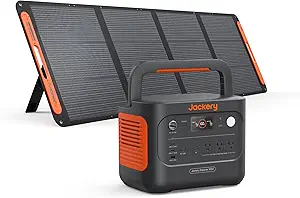
For short rural outages on a single freezer, these are the realistic compact backups I'd put against the Yeti 4000 Pro for a different job:
EcoFlow RIVER 2 Pro — best compact backup for short outages
The RIVER 2 Pro packs 768Wh of LiFePO4 storage and an 800W pure sine inverter (1,600W X-Boost for resistive loads), which is enough to surge a small chest freezer and run it for roughly 18–26 hours on a full charge. It recharges from empty to full in about 70 minutes from AC, so if the grid blinks back on for a few hours you can refill fast and be ready for the next round of outages. For a deer camp or cabin with intermittent rural power, this is the unit I keep on the shelf as a bridge while the Yeti 4000 Pro is being charged from solar. Check current price on Amazon.
EcoFlow RIVER 2 Max — weekend-trip and outage bridge
At 512Wh and a 500W inverter (1,000W X-Boost), the RIVER 2 Max will keep a small chest freezer cold for 12–16 hours, which covers the median rural outage in the Northeast. It's the unit I recommend to hunters who already have a Yeti 4000 Pro as primary and want a second, lighter battery to shuttle back and forth from the truck or to power the freezer in a hunting cabin during deer camp weekends. Check current price on Amazon.
EcoFlow RIVER 3 Plus — budget bridge unit
The RIVER 3 Plus is 286Wh with up to 1,200W AC output (X-Boost), and while 286Wh won't run a chest freezer for long — figure 4–7 hours of duty-cycled operation — it's the cheapest LiFePO4 unit I'd trust to surge a freezer compressor at all. Useful as a true emergency "get me through the night" backstop when you've drained everything else and a storm is rolling in. Check current price on Amazon.
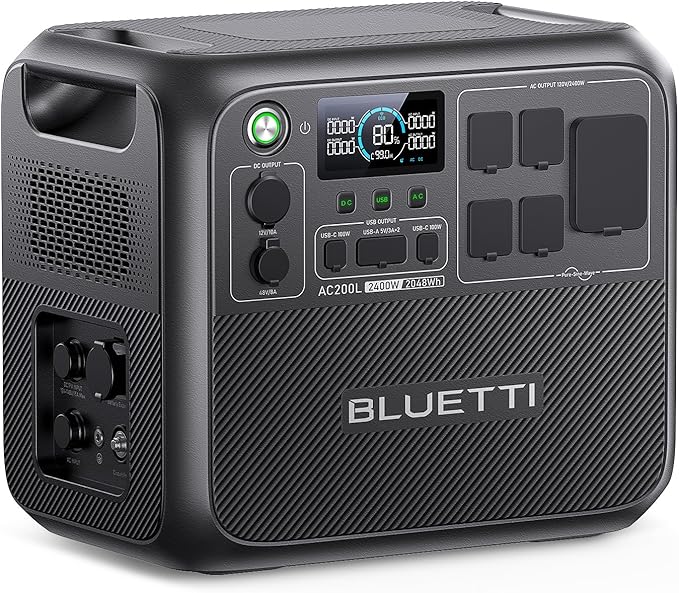
BLUETTI AC200L Portable Power Station, 2048Wh LiFePO4 Battery Backup, Expandable to 8192Wh w/ 4 2400W AC Outlets (3600W Power Lifting), 30A RV Output, Solar Generator for Camping,
- 2048Wh LFP battery
- 2400W AC output with 6000W surge
- Dual AC + solar simultaneous charging
Goal Zero Yeti 4000 Pro vs compact backups: comparison
| Unit | Capacity | AC Inverter | Surge | Est. Freezer Runtime | Best Use |
|---|---|---|---|---|---|
| Goal Zero Yeti 4000 Pro | 3,993Wh LiFePO4 | 3,000W | 6,000W | 4–7 days | Multi-day rural grid outage, primary backup |
| EcoFlow RIVER 2 Pro | 768Wh LiFePO4 | 800W | 1,600W X-Boost | 18–26 hours | Short outages, cabin bridge |
| EcoFlow RIVER 2 Max | 512Wh LiFePO4 | 500W | 1,000W X-Boost | 12–16 hours | Overnight outages, second battery |
| EcoFlow RIVER 3 Plus | 286Wh LiFePO4 | up to 1,200W | X-Boost | 4–7 hours | Last-ditch emergency surge |
| EcoFlow RIVER 3 | 245Wh LiFePO4 | 300W | 600W X-Boost | 3–5 hours | Tools/lights, not freezer-primary |
The honest takeaway: nothing in the RIVER family replaces a Yeti 4000 Pro for the rural-outage venison job. They complement it. If you're protecting a freezer full of deer meat through a multi-day ice storm, you want the 4kWh class unit as your primary and a 500–800Wh RIVER as your bridge unit while the big battery recharges.
Solar recharge strategy for rural outages
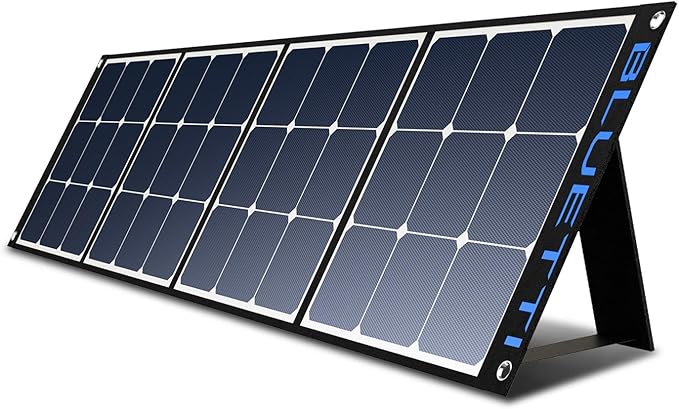
The single best upgrade you can make to the Yeti 4000 Pro for chest freezer venison outage duty is panels. The Pro accepts up to 3,000W of solar input through its high-voltage XT60 port, but you don't need to go that big. Most rural users do well with 600–1,200W of portable or fixed panels:
- 600W of panels in fair winter sun (4 peak-sun hours) yields ~2,400Wh/day — about three days of freezer load per day of sun, so you're net-positive even on cloudy weeks.
- 1,200W of panels refills the battery from 20% to 100% in a single sunny day and gives you headroom to also run lights, a router, and a CPAP.
- Ground deployment beats roof mounting for outage use because you can chase the sun and clear snow by hand. Permanent roof arrays are great until the storm that caused your outage also iced them over.
One nuance most guides skip: solar input on a Yeti 4000 Pro continues even while the inverter is supplying the freezer. That means in any minute with positive solar input, your effective freezer load against the battery is zero. A 200W panel in mid-November sun, even at half output, completely covers an actively-running freezer compressor.
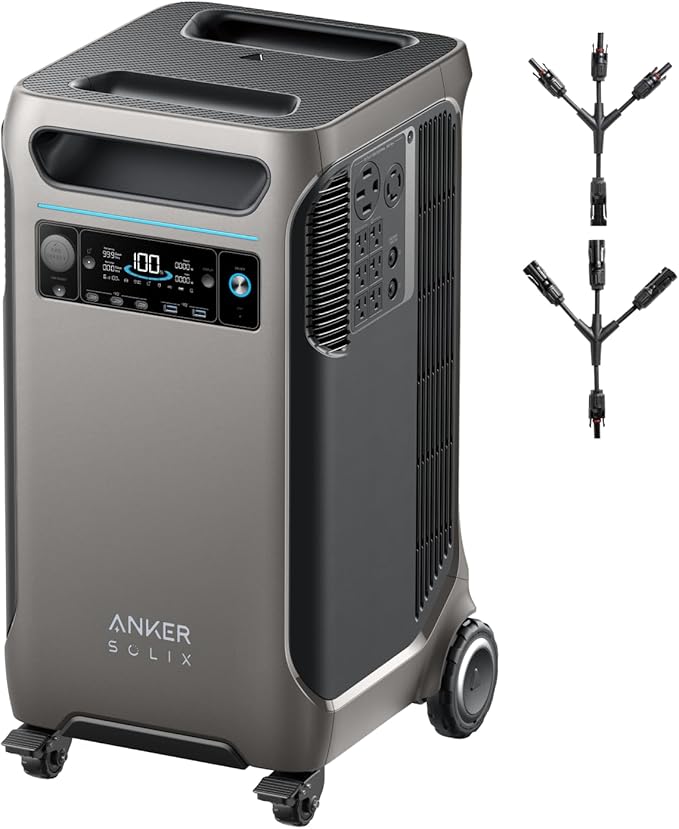
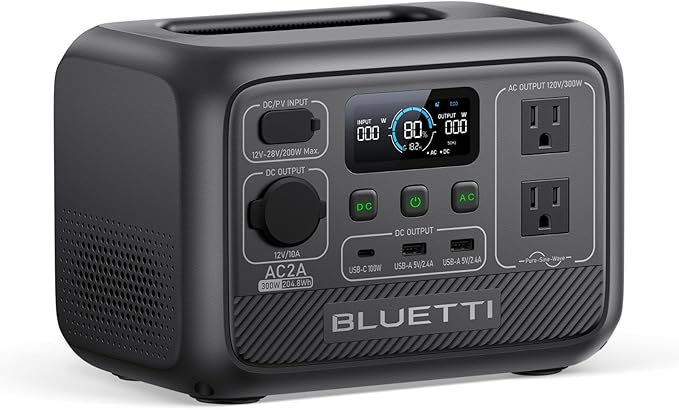
Anker SOLIX F3800 Portable Power Station, 3840Wh, LiFePO4 Batteries, Ultra-High 6000W AC Output with 120V/240V, Solar Generator for Home Backup, RVs, Emergencies, Power Outages, an
- 3840Wh LFP battery
- 6000W output (12000W surge)
- Smart home integration, app control
Field-tested setup for a rural cabin or homestead
Here's what I install for clients who want a freezer-resilient setup against multi-day outages, organized by priority:
- One Yeti 4000 Pro wired in to the freezer outlet via a manual transfer switch or a simple plug-swap. Keep it in the same room as the freezer so cable runs stay short.
- 600W of portable solar (typically three 200W panels) stored in a corner and deployed to the yard when an outage hits.
- One smaller LiFePO4 unit like the RIVER 2 Pro as a rotating bridge battery for lights, phones, and as a freezer backstop while the Yeti is being charged.
- A cheap freezer thermometer with a wireless display in the kitchen so you know if the temperature drifts.
For deeper reading on sizing and runtime curves, see our companion guides on chest freezer runtime by power station capacity, solar generators for rural power outages, and Goal Zero Yeti vs EcoFlow Delta Pro head-to-head.
Frequently Asked Questions
How many days can a Goal Zero Yeti 4000 Pro run a chest freezer full of venison?
Realistic range is 4 to 7 days on a single charge with no solar input, assuming a 9–12 cu ft chest freezer at least 60% full of frozen meat, sitting in a 60–68°F room. Cold ambient temps and a packed freezer push toward the high end; a half-empty unit in a warm garage pulls toward 3 days. Add 600W of solar panels and you can hold cold indefinitely in any weather pattern that includes at least one sunny day every three.
Will the Yeti 4000 Pro handle the startup surge from an older chest freezer compressor?
Yes. The 6,000W surge rating handles the locked-rotor amperage spike of essentially every residential chest freezer compressor on the market, including 20+ year old units that surge to 1,200–1,800W on startup. This is one area where the 4000 Pro decisively outperforms 500–800W class units, which can trip out on cold-start after a long outage when the compressor has to pull down from room temperature.
Can I just use a smaller EcoFlow RIVER for short rural outages instead?
For outages under 18 hours, a RIVER 2 Pro (768Wh) will keep a chest freezer cold and is much cheaper than a Yeti 4000 Pro. The tradeoff is that you have no margin: a 24-hour outage will empty it before grid power returns, and you cannot meaningfully recharge from solar without buying a panel separately. For rural users who lose power for days at a time during winter storms, the RIVER class is a bridge unit, not a primary backup.
How long will venison stay safe in a chest freezer with no power at all?
A full chest freezer holds safe (0°F or below) temperatures for roughly 48 hours unopened, and about 24 hours if half-full. After that, meat starts cycling above 32°F and refreezing isn't recommended for quality even if it remains safe. This is why even a moderate-capacity backup like the Yeti 4000 Pro is worth its weight: it extends safe storage from 2 days to 6+ days, which covers the overwhelming majority of rural outages.
What solar panel wattage is ideal for keeping a chest freezer running through a multi-day outage?
For a single chest freezer plus a Yeti 4000 Pro, 600W of solar is the sweet spot: enough to fully replace the freezer's daily draw on a partly cloudy winter day, and enough to begin recharging the battery itself by mid-morning. Going up to 1,200W gives you headroom to also charge phones, run a router, and recover quickly from cloudy stretches. Above 1,200W you're optimizing for full off-grid use, not outage backup.
Can I leave the Yeti 4000 Pro plugged in and connected to the freezer 24/7 as a UPS?
Yes, this is a supported use case and is how I recommend most rural users deploy it. The Yeti 4000 Pro has pass-through AC and an integrated charger that maintains the battery at the storage SOC you select (typically 85–90% for longevity). When grid power drops, the unit transitions to inverter output within milliseconds, which is fast enough that the freezer compressor doesn't notice. Just check the battery state monthly and confirm the firmware is current.
Is the Yeti 4000 Pro worth it over a generator for rural venison storage?
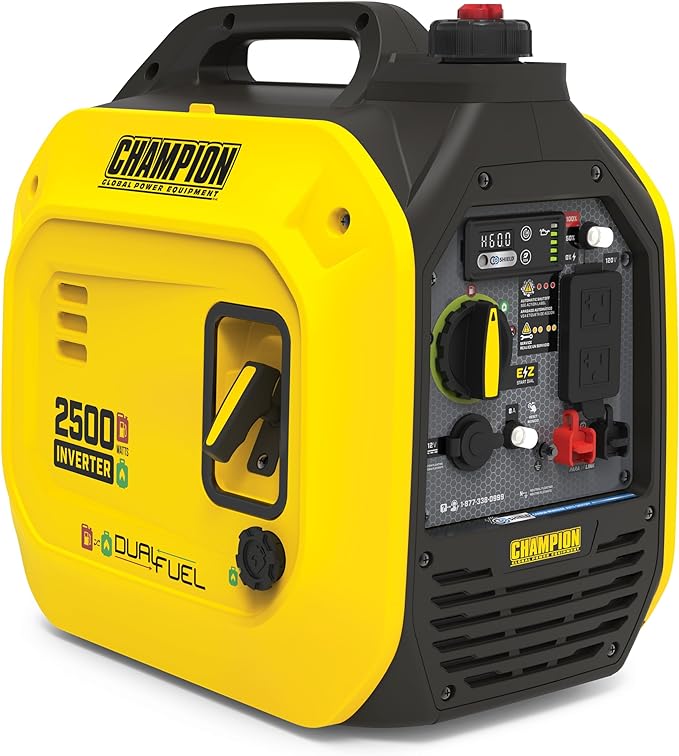
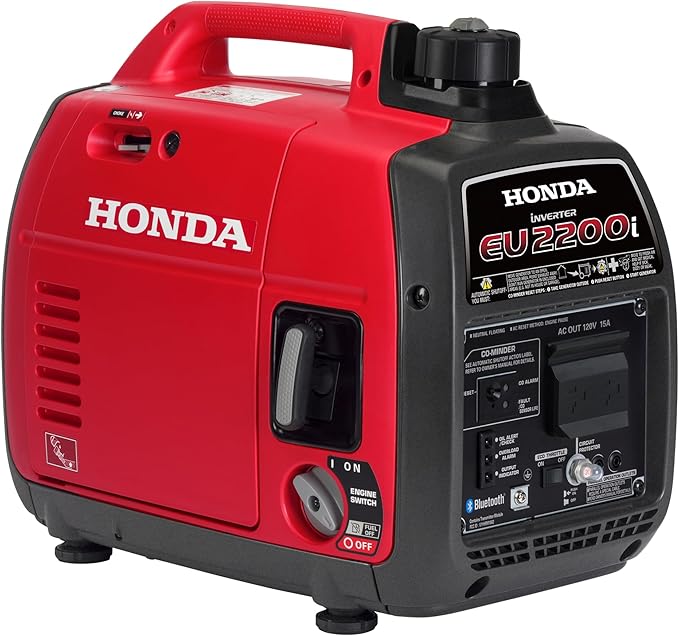
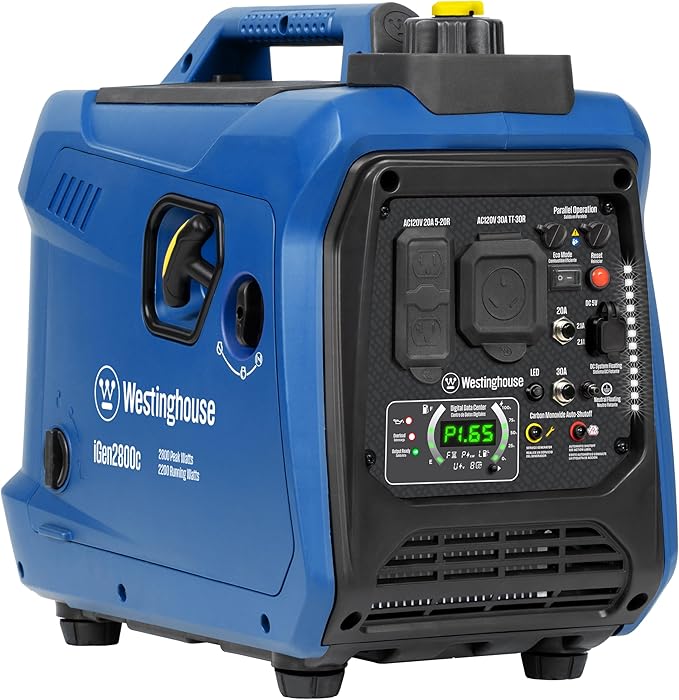
For freezer-only backup it's almost always the better tool. A 2,000W inverter generator burns roughly 0.2 gallons per hour at chest-freezer load, which is wildly inefficient because the compressor only runs 25% of the time but the generator runs 100% of the time. The Yeti 4000 Pro consumes battery only when the compressor is actually cycling, runs silently (a real concern in rural cabin settings), and refills from sun. A generator still makes sense as a tertiary backup for week-plus outages or to refill the battery during a stretch of overcast weather. For other deer-camp prep, see our notes on preserving venison without power.
Key Takeaways
- Choosing the right Goal Zero Yeti 4000 Pro for chest freezer venison outage means matching capacity and output ports to your actual devices
- Always check actual watt-hours (Wh), not just watts — runtime depends on Wh, not peak output
- Also covers: 7 cu ft chest freezer backup runtime
- Also covers: deer hunter freezer power loss
- Also covers: Yeti 4000 Pro days of freezer
- Compare price-per-Wh across models to find the best value for your budget