Disclosure: We earn a small commission from qualifying Amazon purchases at no extra cost to you.
When a hurricane knocks out grid power, your saltwater reef tank faces a ticking clock — oxygen depletes, temperatures swing, and coral can bleach within hours. The bluetti ac240 for saltwater reef aquarium hurricane backup has become a popular pick in 2026 because it pairs a 2,400W pure sine wave inverter with a 1,536Wh LiFePO4 battery and IP65 weather resistance. That combination keeps return pumps, heaters, powerheads, and skimmers running through multi-day outages, and the dust- and splash-proof rating means you can stage it near the tank without panicking over saltwater creep.
Why a reef tank is uniquely vulnerable during hurricane outages
A freshwater goldfish bowl tolerates hours of stagnation. A mixed reef does not. Stony corals (LPS and SPS), zoanthids, anemones, and even soft corals depend on a continuous chain of life-support systems that all run on AC power:
- Gas exchange — the return pump and powerheads keep dissolved oxygen above 6 mg/L. Without flow, surface gas exchange stops and CO₂ accumulates.
- Temperature stability — most reef tanks hold 76–80°F. A drop below 72°F or a rise above 84°F triggers stress and bleaching.
- Biological filtration — nitrifying bacteria in the live rock and sandbed need oxygenated water moving past them. A stagnant tank can crash the nitrogen cycle within 8–12 hours.
- Protein skimming — not strictly life-support, but helpful when you're feeding less and dissolved organics start climbing.
- 4096Wh LFP battery, expandable to 12kWh
- 3600W AC output (7200W split-phase)
- Smart Home Panel compatible, app control
- IP65 splash and dust rating. Salt creep is unavoidable around a reef. Most power stations are rated only for indoor, dry use; the AC240's sealed enclosure is the only major-brand unit I'd happily stage on a stand under or beside an aquarium.
- 1,536Wh LiFePO4 chemistry, 6,000 cycles to 80%. You can leave it on float year-round without meaningful degradation. Lithium iron phosphate is also far less prone to thermal runaway — important when the unit lives next to saltwater.
- 2,400W pure sine wave AC output with 3,600W surge. Reef return pumps with synchronous motors (older Eheim, Sicce Syncra) demand a clean sine wave or they hum, run hot, and fail. The 3,600W surge headroom also handles the inrush of heaters and chiller compressors.
- Return pump (DC, ~25W): always on
- One powerhead (~15W): always on
- Battery-backed air pump (~3W): oxygen insurance
- Heater (200W, duty-cycled ~15%): ~30W average if the room stays warm
- 2042Wh LFP battery, expandable to 12kWh
- 3000W AC output
- Charges via solar in 2 hours
- 2096Wh LFP battery
- 2000W AC output (4000W surge)
- Semi-solid-state battery, 10-year lifespan
- Stage it at sump height or above the tank stand so a hose pinhole or skimmer overflow can't pool near the inlet vents. IP65 protects against splash, not submersion.
- Run pumps on dedicated outlets, not behind a power strip. The AC240's six AC outlets are enough for most reef builds.
- Wire DC pumps to the 12V XT60 if your controller supports it. Skipping the inverter conversion extends runtime by 8–12%.
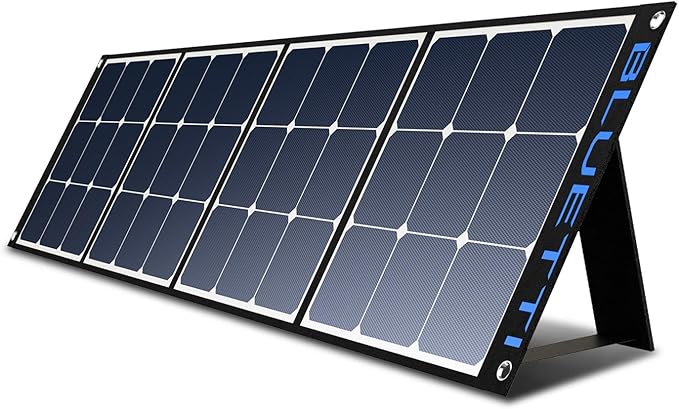
- Pair with one or two solar panels. A 200–400W foldable panel on the driveway can offset survival load entirely during daylight once the storm passes.
- Test annually. Before Atlantic hurricane season starts in June, do a 6-hour grid-off drill. Verify every pump actually rides through the UPS-mode cutover.
Hurricane outages along the Gulf Coast, Florida, the Carolinas, and Puerto Rico routinely run 48–96 hours. A small UPS buys you 20–60 minutes. A modern LiFePO4 portable power station, by contrast, can carry you across the entire outage — or buy enough time for a generator hand-off.
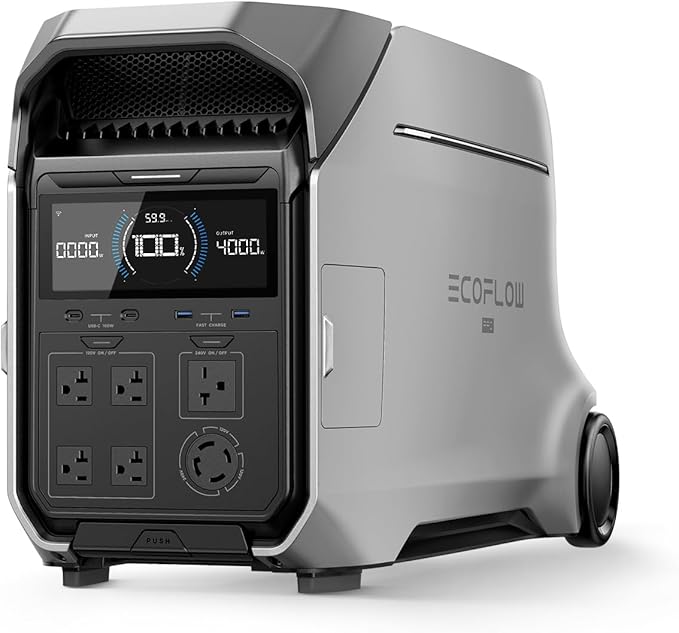
EF ECOFLOW DELTA Pro 3 Portable Power Station, 4096Wh LFP Battery, Expandable to 48kWh, 120/240V 4000W AC Output, Solar Generator for Home Use, Camping Accessories, Emergencies, Po
What makes the Bluetti AC240 fit a reef-tank emergency plan
The AC240 is built differently than typical RVer power stations. Three specs matter most for a reefkeeper choosing the bluetti ac240 for saltwater reef aquarium hurricane backup:
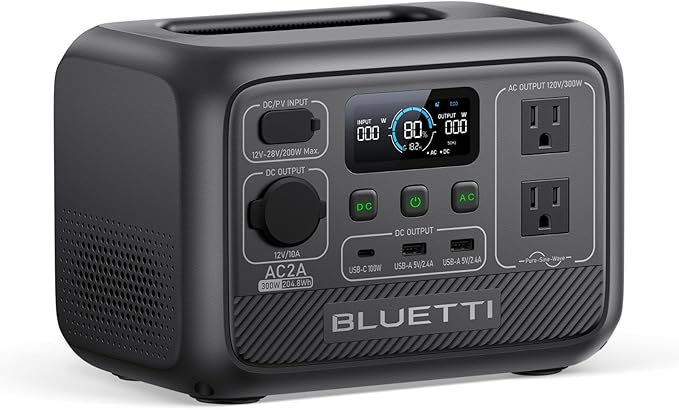
It also has a 30ms UPS-mode switchover, which is fast enough that DC pumps (EcoTech Vectra, Sicce Syncra SDC, Maxspect Gyre) won't even register the cutover. Older AC-only induction pumps may briefly hiccup but will restart cleanly.
Estimating runtime: how long will the AC240 keep your reef alive?
Usable capacity is roughly 1,400Wh after inverter losses. Real reef load varies, so here are realistic numbers from a 75-gallon mixed reef in survival mode (heater set low, lights off, skimmer off, return + one powerhead + air stone):
That's about 70W continuous, giving a real-world runtime of roughly 18–20 hours per full charge. Pair the AC240 with one 200W portable solar panel and you can stretch that to 36–48 hours in clear post-storm weather. Stack a B210 expansion battery and you're easily into the 60-hour range without solar.
If you run a chiller during summer outages, plan more aggressively — a 1/10 HP chiller pulls 350–600W and will halve your runtime. Many reefers shut chillers off, drop room temperature with a battery-powered fan across the sump, and rely on evaporative cooling alone.
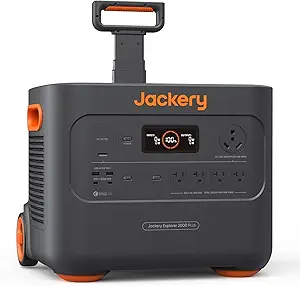
Jackery Explorer 2000 Plus Portable Power Station, 2042Wh LiFePO4 Solar Generator, 3000W AC Output, Expandable to 24kWh, UPS Home Backup for Emergency Camping RV Off-Grid(Solar Pan
Power station comparison for reef aquarium backup in 2026
The AC240 is overkill for nano tanks and underkill for very large display reefs. Here's how it stacks up against the smaller EcoFlow RIVER series, which works well as a secondary "air pump only" backup or as the primary unit for pico/nano reefs:
| Model | Capacity | AC Output | Chemistry | Best reef use case |
|---|---|---|---|---|
| Bluetti AC240 | 1,536Wh | 2,400W (3,600W surge) | LiFePO4 | 40–120 gal mixed reef, multi-day outage |
| EcoFlow RIVER 2 Pro | 716Wh | 800W (1,600W surge) | LiFePO4 | 10–30 gal nano reef or AC240 secondary |
| EcoFlow RIVER 2 Max | 499Wh | 500W | LiFePO4 | Pico tank or air-pump-only insurance |
| EcoFlow RIVER 3 Plus | 286Wh | Up to 1,200W (X-Boost) | LiFePO4 | Air pump + small powerhead, short outages |
| EcoFlow RIVER 3 | 245Wh | 300W | LiFePO4 | Battery-backed air pump only |
Our picks for reef-tank hurricane backup in 2026
Primary recommendation: Bluetti AC240
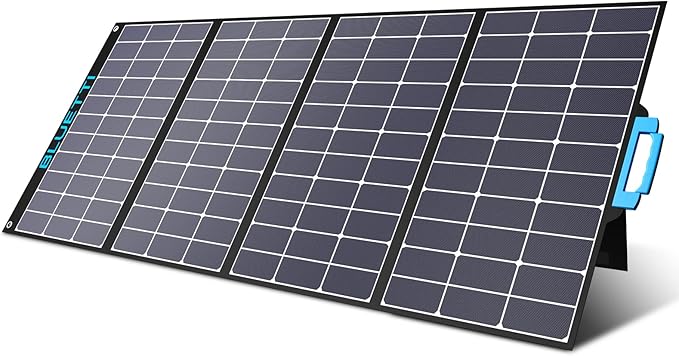
For any reef larger than 30 gallons, the AC240 is the unit to anchor your hurricane plan around. The 1,536Wh capacity covers a realistic survival load for 18+ hours, IP65 protection means you can stage it on a stand near the sump, and the LiFePO4 cells will sit on float for years without meaningful capacity loss. The 30ms UPS mode is fast enough that DC pumps don't notice the cutover, and Bluetti's app lets you alarm on low SoC and trigger a generator start through a smart plug. Bluetti occasionally lists the same hardware under the "AC240P" SKU — confirm the model before checkout and look for bundles with the B210 expansion battery or a 350W foldable panel.
Secondary / nano-tank pick: EcoFlow RIVER 2 Pro
At 716Wh and 800W AC output, the RIVER 2 Pro is the sweet spot for a 10–30 gallon nano reef, or as a dedicated secondary unit running an air pump and a single powerhead while the AC240 carries the bigger loads. Same LiFePO4 chemistry as the AC240, 70-minute fast charge from grid (very useful between bands of a slow-moving storm), and it weighs only 17 lb, so it's easy to move tank-to-tank or out to the car for a top-up. View the EcoFlow RIVER 2 Pro on Amazon.
Mid-capacity option: EcoFlow RIVER 2 Max
499Wh and 500W of AC output cover roughly 10–14 hours of nano-reef survival load. It's a reasonable standalone unit for a pico reef or an "oxygen-only" insurance unit running an air pump for four-plus days straight. Charges from a wall outlet in about an hour, which matters when you have a brief window of grid power between storm bands. View the EcoFlow RIVER 2 Max on Amazon.
Compact insurance unit: EcoFlow RIVER 3 Plus
The 286Wh RIVER 3 Plus uses X-Boost to push up to 1,200W AC, which is enough headroom for a small heater during a brief outage. In sustained reef use you'd realistically dedicate it to an air pump and one small powerhead — call it 30–40 hours running a 7W air pump on a single charge. View the EcoFlow RIVER 3 Plus on Amazon.
Minimalist / air-pump-only: EcoFlow RIVER 3
If your plan is "AC240 is the main unit, but I want one more independent battery dedicated to a USB air pump and that's it," the 245Wh RIVER 3 is the cheapest LiFePO4 way to get there. Full charge in one hour and small enough to live in a cabinet next to the tank year-round. View the EcoFlow RIVER 3 on Amazon.
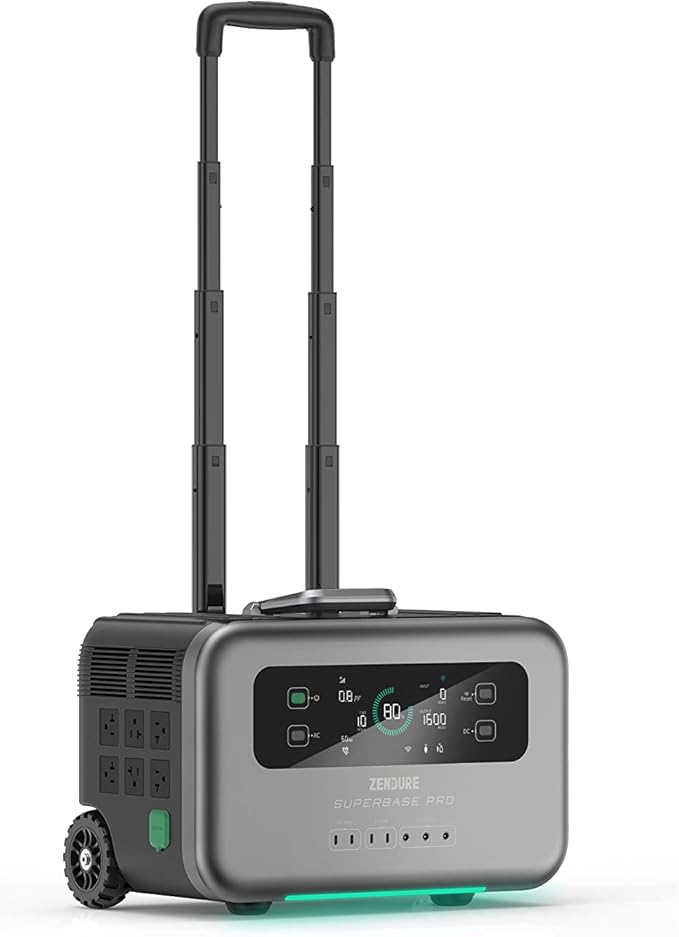
Zendure SuperBase Pro 2000 2096Wh Portable Power Station
Setup tips for using the bluetti ac240 for saltwater reef aquarium hurricane backup
Looking at broader options? Compare related guides like best power station for aquarium backup, Bluetti vs EcoFlow for reef tanks, and our 2026 hurricane prep portable power guide for whole-house scenarios.
Frequently Asked Questions
How long can a Bluetti AC240 run a 75-gallon reef tank during a power outage?
In realistic survival mode (return pump, one powerhead, and a duty-cycled heater, with lights and skimmer off), expect 16–20 hours on a single charge. With one 200W solar panel in clear post-storm weather, that extends to 36–48 hours. Adding the B210 expansion battery roughly doubles runtime to 32–40 hours unaided.
Is the Bluetti AC240 safe to use near a saltwater aquarium?
Yes — the AC240 is one of very few major-brand power stations with an IP65 dust- and water-jet rating, which means salt creep and incidental splashes won't kill it. Still, stage it above any plausible water line, keep at least six inches of clearance around the cooling vents, and never run it inside a sump cabinet where humidity collects.
What's the minimum power station size for a reef tank during a hurricane?
For a nano reef under 20 gallons running only a return pump and air stone, 500Wh of LiFePO4 capacity gives you about 12 hours — roughly the minimum you'd want for even a brief outage. For mixed reefs over 40 gallons, plan on at least 1,500Wh per 24 hours of survival. For larger display systems with chillers, 3,000Wh+ becomes realistic.
Should I run my reef lights during a hurricane outage?
No. Skip lighting entirely during the outage. Most corals tolerate 48–72 hours of darkness without harm, and reef LEDs draw 60–200W that's much better spent on flow, oxygenation, and temperature. Ramp lights back up at half intensity for the first day after grid power returns.
Can the Bluetti AC240 run a reef tank chiller during a summer hurricane?
Technically yes — the 2,400W inverter and 3,600W surge handle most 1/10 to 1/4 HP chiller compressors. Practically, a chiller will drain the 1,536Wh battery in 3–5 hours, so most reefers shut chillers off during outages and instead rely on a battery-powered fan blowing across the sump for evaporative cooling.
How do I keep oxygen levels safe in a reef tank if my main pump fails?
The simplest insurance is a USB-powered or D-cell air pump driving an air stone or large bubble disk in the display or sump. A 3–5W air pump can run on a small power station like the RIVER 3 for over a week, which makes it ideal as a fully independent secondary backup.
Is LiFePO4 chemistry actually safer than NMC for a reef-tank backup?
Yes, meaningfully. LiFePO4 cells have a much higher thermal runaway threshold (~270°C vs. ~150°C for NMC), don't vent flammable electrolyte under abuse, and tolerate continuous float charging for years without significant degradation. For a unit that lives near water and stays plugged in 24/7, LiFePO4 is the right chemistry — every product picked above uses it.
Key Takeaways
- Choosing the right bluetti ac240 for saltwater reef aquarium hurricane backup means matching capacity and output ports to your actual devices
- Always check actual watt-hours (Wh), not just watts — runtime depends on Wh, not peak output
- Also covers: reef tank ups battery backup
- Also covers: ac240 aquarium runtime hours
- Also covers: saltwater tank hurricane power
- Compare price-per-Wh across models to find the best value for your budget