Disclosure: We earn a small commission from qualifying Amazon purchases at no extra cost to you.
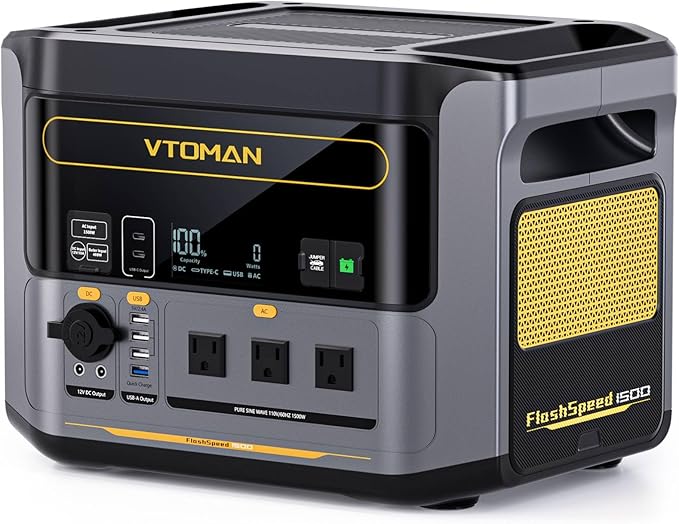
If you're a craft fair vendor running a Brother PE900 embroidery machine off-grid, the Bluetti AC240 for Brother PE900 embroidery craft fair setup is one of the most over-engineered choices you can make - and that's intentional. The PE900 only pulls about 65-80 watts while stitching, but a typical fair throws curveballs at you: 12-hour show days, weather exposure, neighbors borrowing juice, plus your phone charger, LED display lights, and Square card reader all running off the same battery. The AC240's IP65 weatherproof rating, 1,536Wh LiFePO4 capacity, and 2,400W continuous AC output gives you serious headroom for every device on your booth table.
That said, the AC240 is overkill for many one-machine vendors. Below we'll cover how to size your station correctly, when smaller (and cheaper) units like the EcoFlow RIVER series make more sense, and what to actually pack for a two-day weekend show in 2026.
How Much Power Does the Brother PE900 Actually Use?
Brother's spec sheet rates the PE900 at about 32W standby and roughly 65-80W during active embroidery. Real-world measurements with a Kill-A-Watt meter typically show 70-85W average over a full design cycle, with brief peaks under 100W when the needle motor accelerates. There is no significant inrush spike like you'd see with a fridge or air compressor - it's a clean, predictable load.
What this means for craft fair vendors: a 500-700Wh power station can run the PE900 for 6-8 hours of continuous stitching. A 1,500Wh+ station like the AC240 can power it the entire weekend without recharging, while also handling your point-of-sale tablet, card reader, mini fan, and a string of LED booth lights.
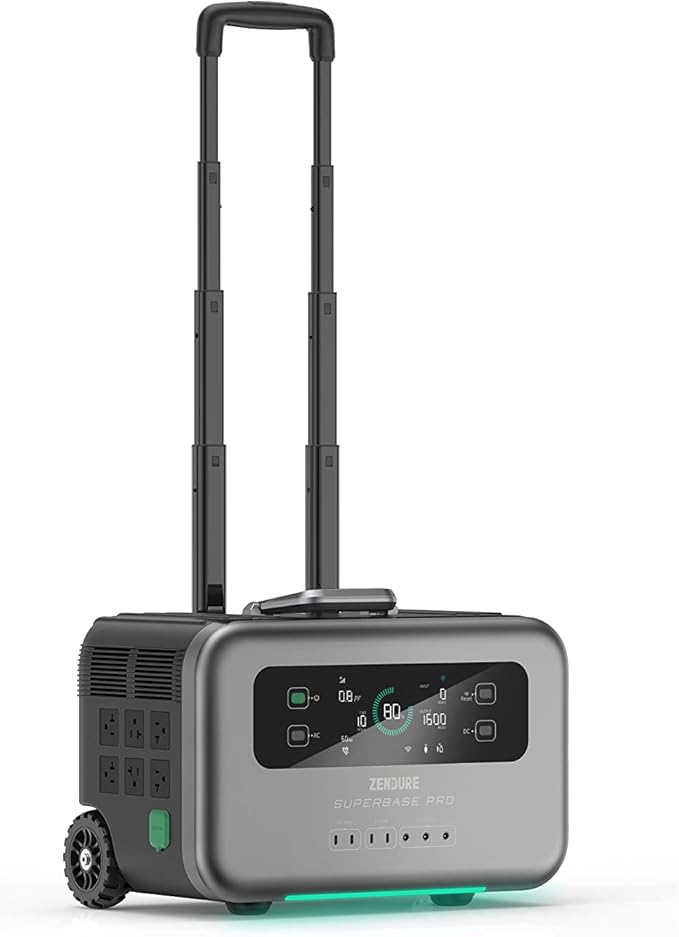
Zendure SuperBase Pro 2000 2096Wh Portable Power Station
- 2096Wh LFP battery
- 2000W AC output (4000W surge)
- Semi-solid-state battery, 10-year lifespan
Why the Bluetti AC240 Stands Out for Outdoor Vendors
The AC240 was purpose-built for outdoor and semi-outdoor use, which is rare in this power range. Three features matter here for booth vendors:
- IP65 weatherproof rating - dust-tight and protected from low-pressure water jets. If your tent leaks during a Saturday afternoon thunderstorm, the AC240 keeps running. Most competing 1,500Wh stations are rated for indoor use only.
- LiFePO4 chemistry rated for 3,000+ cycles to 80% capacity - if you do 30 weekend fairs a year and drain it once per show, you'll still have over 80% capacity after a full decade of use.
- Pure sine wave inverter at 2,400W continuous - the PE900's stepper motors are a sensitive load, and modified sine wave inverters can cause humming or skipped stitches. Pure sine eliminates that risk entirely.
The trade-off: the AC240 weighs around 65 lbs and isn't cheap. If you only ever run your PE900 plus a few small accessories at indoor fairs with no rain risk, you're paying for capacity and weatherproofing you'll never use.
When a Smaller EcoFlow RIVER Makes More Sense
Most single-machine vendors don't need 1,500Wh. If your booth has indoor access, GFI outlets nearby for emergency top-ups, or you only stitch demo pieces on-site (with most production done at home), a 250-700Wh station is plenty - and you can lift it with one hand.
The EcoFlow RIVER 2 and RIVER 3 lineup covers this entire range. All four models below use LiFePO4 batteries and pure sine wave inverters, both of which are non-negotiable for embroidery loads. Here's how they stack up against the AC240 for the PE900 use case specifically.
| Model | Capacity | AC Output | Est. PE900 Runtime | Best For |
|---|---|---|---|---|
| EcoFlow RIVER 3 | 245Wh | 300W (600W X-Boost) | ~2.5 hours | Demo stitching, half-day shows |
| EcoFlow RIVER 3 Plus | 286Wh | Up to 1,200W | ~3 hours | Booth-top UPS backup |
| EcoFlow RIVER 2 Max | 499Wh | 500W (1,000W X-Boost) | ~5.5 hours | Full single-day shows |
| EcoFlow RIVER 2 Pro | 716Wh | 800W (1,600W X-Boost) | ~8 hours | Full weekend, single machine |
| Bluetti AC240 | 1,536Wh | 2,400W continuous | ~17 hours | Multi-machine, outdoor, wet venues |
Runtime estimates assume the PE900 averages 75W during active embroidery, with ~85% inverter efficiency. Real-world numbers will vary based on design complexity and how long the machine sits idle between customers.
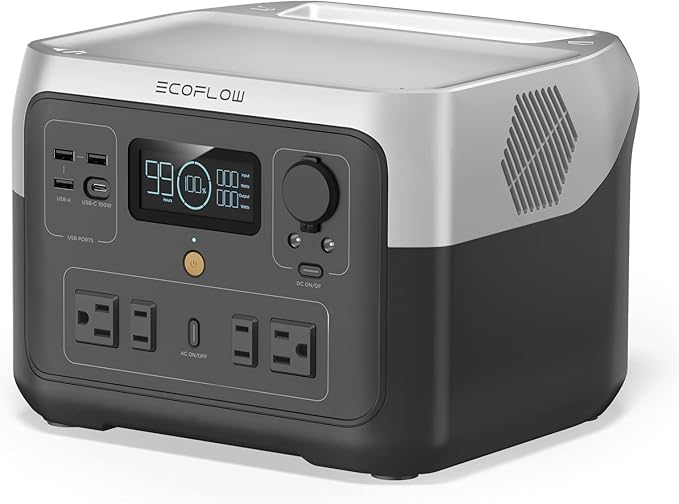
EF ECOFLOW Portable Power Station RIVER 2 Max, 512Wh LiFePO4 Battery/ 1 Hour Fast Charging, Up To 1000W Output Solar Generator (Solar Panel Optional) for Outdoor Camping/RVs/Home U
- 512Wh LFP battery
- 500W AC output (1000W X-Boost)
- Expandable with extra battery
Top Product Picks for Craft Fair Embroidery Setups
EcoFlow RIVER 2 Pro - Best All-Around Pick for the PE900
For most craft fair vendors running a single PE900, the RIVER 2 Pro hits the sweet spot. Its 716Wh LiFePO4 battery powers the embroidery machine for roughly 8 hours of continuous stitching - enough for a full Saturday show with capacity left over for your card reader and phone. It charges from 0-100% in 70 minutes from a wall outlet, so an overnight hotel charge is trivial. The 800W continuous output handles the PE900 effortlessly and also runs a small steamer or finishing iron between customers. At about 17 lbs, it fits under a 6-foot table without crowding your storage bins. Check the EcoFlow RIVER 2 Pro on Amazon.
EcoFlow RIVER 2 Max - The Budget-Conscious Workhorse
If you only do single-day fairs, or you don't always stitch on-site (many vendors take orders and deliver later), the RIVER 2 Max gives you 499Wh for noticeably less than the Pro. That's still 5-6 hours of PE900 runtime - more than enough for a typical 9am-3pm Saturday market. The 500W AC output is the only watch-out: it handles the PE900 fine, but if you also plug in a heat press or a hair-dryer-style steamer, you'll trip the inverter unless you enable X-Boost mode. See the EcoFlow RIVER 2 Max on Amazon.
EcoFlow RIVER 3 Plus - Best Tabletop Backup
The RIVER 3 Plus is a niche pick: small enough (about 9 lbs) to sit on your booth table next to the PE900, with a surprising 1,200W peak output. The 286Wh capacity isn't enough to run the machine all day, but it's perfect as a UPS-style backup if your fair offers shore power that flickers (and they all do). Plug the PE900 into the RIVER 3 Plus, plug the RIVER 3 Plus into the wall, and you get seamless pass-through with battery backup if power drops mid-design. View the EcoFlow RIVER 3 Plus on Amazon.
EcoFlow RIVER 3 - Lightest Demo Unit
For demo-only vendors - those who stitch small samples on-site to draw a crowd but take real orders home - the basic RIVER 3 is the lightest serious option at under 8 lbs. The 245Wh battery gets you about 2.5 hours of embroidery before needing a recharge. Pair it with a small foldable solar panel and you can run demo cycles all day at outdoor shows without lugging a heavier unit. Check the EcoFlow RIVER 3 on Amazon.
Setup Tips for a Craft Fair Embroidery Booth
Whether you go with the Bluetti AC240 for Brother PE900 embroidery craft fair work or one of the smaller EcoFlow alternatives, a few field-tested tips will save you grief on show day:
- Always use a surge-protected power strip between the station and the PE900. Not because the station needs it - they all have built-in protection - but because the strip's individual switches let you cut power to accessories without unplugging the machine and losing your design position.
- Keep the station off the ground in wet venues. Even the IP65-rated AC240 should sit on a milk crate or under-table shelf if your tent floor floods. The LiFePO4 cells don't care, but standing water against the AC outlet covers for hours is asking for trouble.
- Pre-cool the station before peak summer heat. LiFePO4 batteries discharge fine up to about 140F, but inverter efficiency drops above 95F. Park the station in shade and run a small USB fan over the vents.
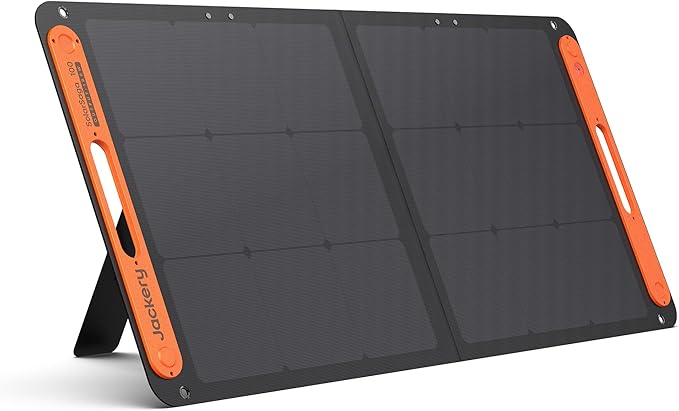
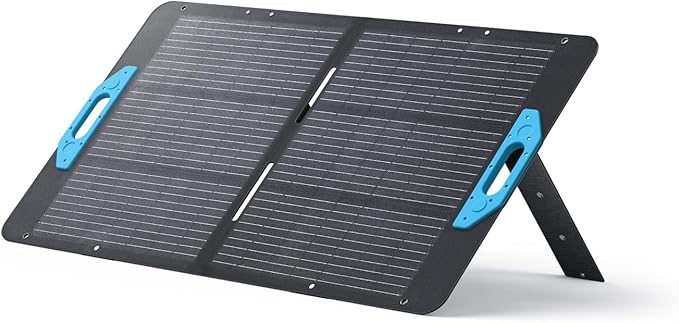
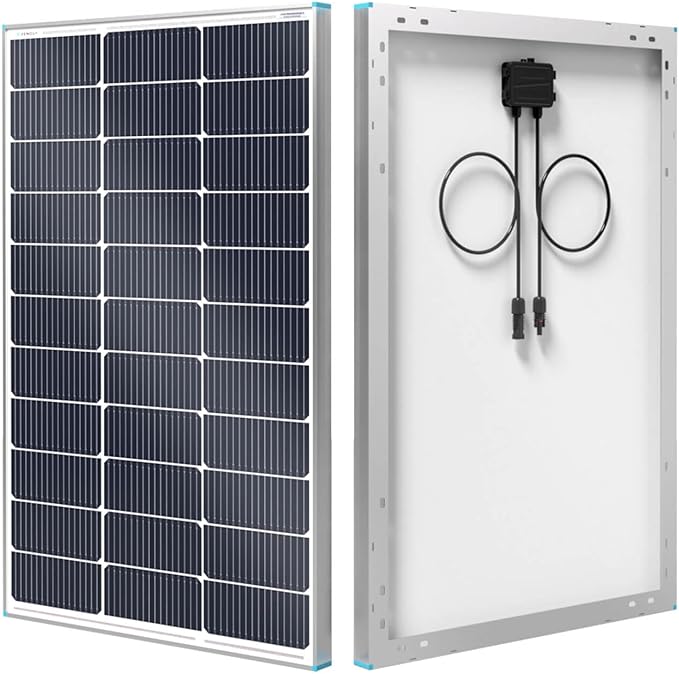
- Bring a 100W solar panel for shows longer than two days. Even partial sun on a 100W panel adds 30-60Wh per hour, which can fully offset the PE900's draw and turn your station into a near-perpetual workhorse.
- Label your cables. When you're packing down at 6pm exhausted, a piece of colored tape on each cord saves you 10 minutes of detangling.
For deeper guidance on outdoor power setups, see our guide to portable power stations for craft fair vendors and our breakdown of LiFePO4 vs lithium-ion chemistry for vendors weighing brand and battery choices.
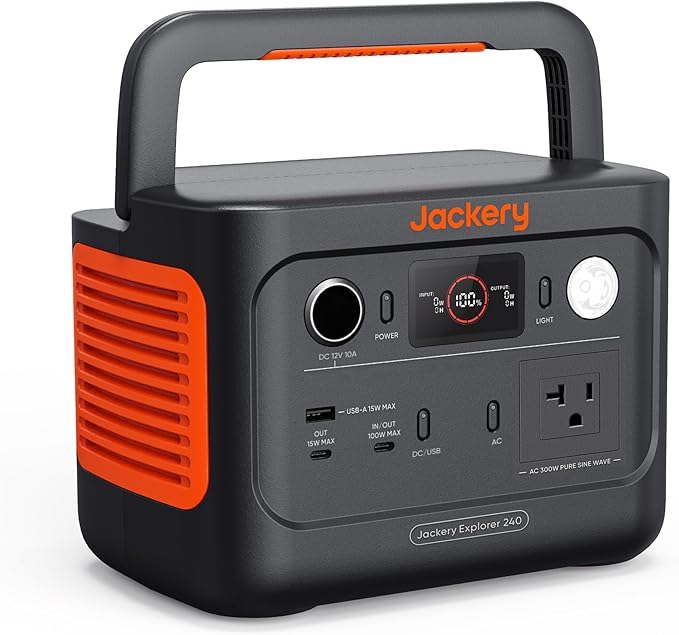
Jackery Explorer 240 v2 Portable Power Station, 256Wh LiFePO4 Battery with 300W AC/100W USB-C Output, 1Hr Fast Charging, Versatile Scenarios-Outdoor/Camping/RV/Travel/Emergency Bac
- 256Wh lithium battery
- 300W AC inverter
- Pass-through charging supported
Should You Buy New or Refurbished in 2026?
Both Bluetti and EcoFlow now sell certified refurbished units through their own websites and Amazon Renewed. For LiFePO4 stations specifically, refurbished is a strong value play - the cells have minimal cycle wear from a returned-and-tested unit, and you typically save 20-30%. The warranty drops from 5 years to 1-2 years depending on seller, which is the main trade-off. For vendors going with the Bluetti AC240 for Brother PE900 embroidery craft fair use case who depend on their station weekly, the math usually still favors new because warranty coverage matters when your livelihood rides on the unit.
Frequently Asked Questions
Can I run a Brother PE900 and a heat press at the same time from one power station?
It depends on the heat press wattage. Small 9x12 presses draw 800-1,400W. Combined with the PE900's 75W, you need a station with at least 1,500W continuous output - which means the Bluetti AC240 or a larger unit. The EcoFlow RIVER series can't handle this combo without staggering use. A common workaround: pre-heat the press in the morning, unplug it during stitching, and re-plug only when pressing a finished design.
How long will the Bluetti AC240 power my embroidery machine?
At the PE900's typical 75W draw, the AC240's usable 1,536Wh capacity (factoring in inverter losses) yields roughly 17 hours of continuous stitching. In practice, that's a full two-day craft fair with battery to spare for your phone, lights, and tablet. If you also run a 50W laptop and a 30W booth light, expect closer to 12-14 hours.
Do I need a pure sine wave inverter for the Brother PE900?
Yes. The PE900's motor and electronics are sensitive to waveform quality, and modified sine wave inverters can cause humming, missed stitches, or in rare cases, controller damage over time. All current Bluetti and EcoFlow stations use pure sine wave inverters, so this is a non-issue if you buy from a reputable brand - but it's worth checking before purchasing any cheaper no-name unit.
Can I charge the power station while it's running the embroidery machine?
Yes, both the Bluetti AC240 and the EcoFlow RIVER series support pass-through charging. If your venue offers limited shore power (say, a single 15A circuit shared with neighbors), you can plug the station into the wall and the PE900 into the station. The station absorbs any flickers or brownouts and delivers clean power to the machine, while topping itself up between draws.
What size solar panel should I pair with my power station for a weekend craft fair?
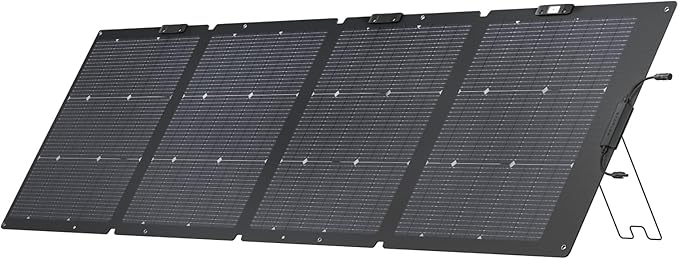
For a single PE900 plus small accessories, a 100W foldable panel is the sweet spot. Under good summer sun, it generates 60-80W actual output, which fully covers the embroidery machine's draw while the sun is up. For the larger AC240 or multi-machine setups, jump to 200W. See our solar panel pairing guide for specific port and voltage compatibility notes.
Is the Bluetti AC240 allowed at indoor craft fairs and convention centers?
Generally yes, but check with the show coordinator first. LiFePO4 batteries don't have the thermal runaway risk of older lithium-ion chemistries, and most fire marshals are familiar with this distinction in 2026. Some convention centers require UL 9540 or UL 2743 certification for any battery over 1kWh brought on-site - the AC240 meets UL 2743, which clears the bar at most venues.
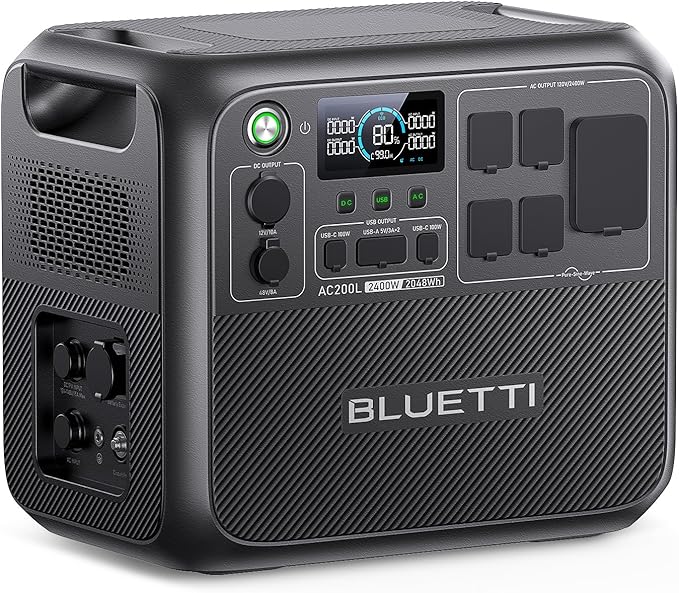
What's the difference between the Bluetti AC240 and the AC200L for embroidery work?
The AC200L has higher capacity (2,048Wh vs 1,536Wh) and similar continuous output, but it lacks the AC240's IP65 weatherproof rating. For indoor-only vendors, the AC200L is a better value per watt-hour. For anyone working outdoor markets, farmer's markets, or street festivals where rain is a real possibility, the AC240 is the safer pick despite the lower headline capacity.
Key Takeaways
- Choosing the right Bluetti AC240 for Brother PE900 embroidery craft fair means matching capacity and output ports to your actual devices
- Always check actual watt-hours (Wh), not just watts — runtime depends on Wh, not peak output
- Also covers: Brother PE900 wattage live stitching
- Also covers: craft fair embroidery booth power
- Also covers: AC240 IP65 rain-resistant outdoor
- Compare price-per-Wh across models to find the best value for your budget