As an Amazon Associate this site earns from qualifying purchases.
Specification and Compatibility Table
| Model | Capacity | Chemistry | Continuous / Peak Output | Solar Panel | Recharge / UPS Notes | Price |
|---|---|---|---|---|---|---|
| DaranEner 300W | 192Wh | LiFePO4 | 300W / 600W surge | Not included (solar generator rated) | 2H fast charge; PD 60W; 2 AC outlets; UPS not stated | $119.99 |
| LIBRIDS C600 | 640Wh | LiFePO4 | 600W / 1200W peak | Not stated (solar generator rated) | 1.5H fast charge; 10ms UPS; 8 ports (4 AC) | $219.99 |
| 600W Solar Generator (576Wh) | 576Wh | LiFePO4 | 600W / 1200W surge | Included: 100W panel | 100W USB-C & AC outlet; recharge time not stated; UPS not stated | $319.99 |
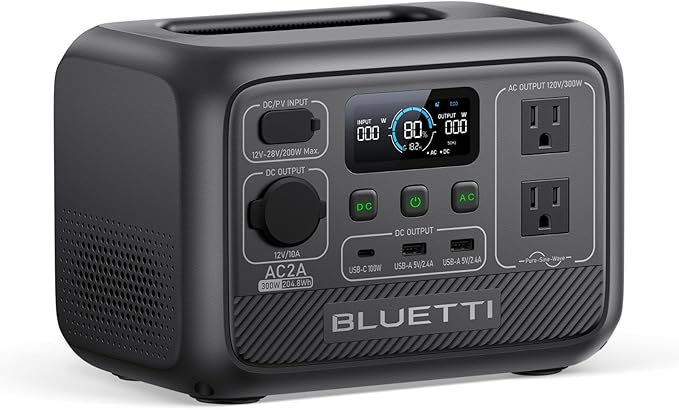
| BLUETTI AC70 | 768Wh | LiFePO4 | 1000W x2 AC / 2000W power lifting | Optional | 100W Type-C; recharge time not stated; UPS not stated | $359.00 |
| Anker SOLIX C2000 Gen 2 | 2048Wh | LiFePO4 | 2400W / 4000W peak | Optional | Full charge in 58 min; UPS not stated | $999.99 |
| Jackery Explorer 2000 v2 | 2042Wh | LiFePO4 | 2200W / peak not stated | Included: 2x200W panels | USB-C PD 100W; 20ms UPS | $1299.00 |
Last Updated: July 28, 2026
The Short Answer
In almost every case you are choosing between two names for the same product, not two different products. A "solar generator" is simply a portable power station bundled with (or rated to accept) solar panels, so the real decision is about battery size, output wattage, and whether a panel is included in the box, not about which label to buy.
Ignore the marketing word on the listing and compare three numbers: watt-hours (how much energy it stores), watts (how much it can run at once), and the solar input rating (how fast a panel can refill it). Those decide everything.
Why the Two Names Describe One Machine
The battery is the product
Every unit in this guide is a lithium iron phosphate (LiFePO4) battery pack with an inverter and a cluster of outlets. That is the portable power station. When a seller adds a solar panel, or certifies the unit to charge from one, the same box gets relabeled a "solar generator." The internal hardware is unchanged.
What the "solar generator" label actually promises
The term promises two things only: the unit has a solar (MPPT or PWM) charge input, and in some listings a panel is physically included. For example, the 600W Solar Generator with 100W Panel (576Wh) ships with a 100W panel, and the Jackery Explorer 2000 v2 (2042Wh) ships with two 200W panels. The Anker SOLIX C2000 Gen 2 (2048Wh) and the BLUETTI AC70 (768Wh) both list solar as optional, meaning you buy the panel separately.
So what are you really choosing?
You are choosing capacity, output, recharge speed, and whether you want to pay once for a panel bundle or add it later. Frame the whole decision that way and the "vs" disappears.
Step-by-Step: How to Choose the Right Unit
Step 1 - List what you must run at the same time
Write down each device and its running watts, then add them up. That sum is your minimum continuous output. Gotcha: motors and compressors (fridges, pumps, some power tools) draw a surge two to three times their running watts at start-up, so your unit's surge/peak rating matters as much as its continuous rating. The DaranEner 300W, for instance, runs 300W continuous but surges to 600W.
Step 2 - Estimate how long you need to run it
Multiply total watts by hours to get watt-hours needed. Running a 50W device for 8 hours is 400Wh, which already exceeds the 192Wh DaranEner but sits comfortably inside the 640Wh LIBRIDS C600. Gotcha: usable capacity is always a little below the nameplate watt-hours because the inverter itself consumes power, so leave 15-20% headroom.
Step 3 - Match continuous output to your biggest load
Your unit must exceed your largest single running load and its surge. A 1500W kettle will not run on a 600W unit no matter how big the battery is. This is where the Anker SOLIX C2000 (2400W, peak 4000W) and Jackery Explorer 2000 v2 (2200W) separate themselves from the smaller units.
Step 4 - Decide how you will recharge
Confirm both wall-charge speed and solar input. The Anker SOLIX C2000 lists a full charge in 58 minutes and the LIBRIDS C600 lists a 1.5-hour fast charge from the wall. If you specifically want off-grid refills, buy a bundle that includes the panel (the 576Wh unit or the Jackery) or budget for the optional panel on the Anker or BLUETTI.
Step 5 - Check the outlet count and types
Count how many AC outlets and USB-C ports you actually need at once. The LIBRIDS C600 lists 8 ports including 4 AC; the DaranEner lists 2 AC outlets. Gotcha: total port count means nothing if only two are AC and you need three appliances plugged in.
Step 6 - Confirm UPS behavior if you need backup
If you want the unit to keep a device alive through a grid cut, look for a UPS switchover spec. The LIBRIDS C600 lists 10ms and the Jackery Explorer 2000 v2 lists 20ms. Gotcha: a unit with no stated UPS rating may drop power briefly when the grid fails, which can reboot a desktop or a router.
What Goes Wrong, and What to Do About It
The unit shuts off the moment a big appliance starts
Symptom: you plug in a fridge or power tool and the inverter clicks off or flashes an overload light. Cause: the start-up surge exceeded the peak rating. Fix: check the device's surge draw and move it to a unit with a higher peak, such as the BLUETTI AC70's 2000W power-lifting mode or the Anker SOLIX C2000's 4000W peak.
The battery drains far faster than you expected
Symptom: a "640Wh" unit dies well before the math said it would. Cause: inverter overhead, high ambient heat, and running near maximum output all cut usable capacity. Fix: size up in watt-hours and stop running the unit at its ceiling for hours on end.
Solar charging crawls or stops
Symptom: the panel is in full sun but input reads near zero. Cause: partial shade on even one cell, a panel voltage/wattage outside the unit's solar input window, or a loose connector. Fix: confirm the panel matches the unit's solar input spec, clear all shading, and reseat the cable. Bundled units like the 576Wh model with its 100W panel or the Jackery with its 2x200W panels avoid most mismatch problems because the panel is matched to the unit.
The wall charge takes all night
Symptom: recharging is painfully slow. Cause: the unit is in a slow or "quiet" charge mode, or it simply has a low charge rating. Fix: enable fast charge if the unit supports it (the LIBRIDS C600 lists 1.5H and the Anker lists 58 minutes), and check any companion app setting.
Sensitive electronics glitch or reboot on a power cut
Symptom: your PC or router restarts when the grid drops. Cause: switchover was too slow for that device. Fix: use a unit with a fast UPS rating like the 10ms LIBRIDS C600 or the 20ms Jackery Explorer 2000 v2.
When the Fix Is a New One
Sometimes the honest answer is that your current unit is the wrong size and no setting will fix it. Here are the signals, tied to what a different unit would actually change for this task. Always confirm the current spec and price yourself before buying.
Signal: your biggest appliance keeps overloading a small unit
If you are constantly tripping a 300-600W unit's peak, you need more headroom, not another accessory. The BLUETTI AC70 (768Wh) moves you to two 1000W AC outlets with a 2000W power-lifting mode, which changes what start-up surges you can absorb.
Signal: you keep running out of watt-hours overnight
If a sub-700Wh battery dies before morning during outages, the fix is capacity plus fast recharge. The Anker SOLIX C2000 Gen 2 (2048Wh) changes the equation with 2400W continuous, a 4000W peak, and a stated 58-minute full charge, so it refills between outages quickly.
Signal: you want true off-grid refills without buying panels separately
If you keep hitting solar mismatch problems, a matched bundle removes the guesswork. The Jackery Explorer 2000 v2 (2042Wh) ships with two 200W panels and a 20ms UPS, so the panel and battery are paired out of the box.
Frequently Asked Questions
Is a solar generator just a power station with a panel?
Effectively yes. The core hardware is the same LiFePO4 battery and inverter; the "solar generator" label means the unit accepts solar input and, in some listings, ships with a panel. Check whether the panel is included or optional before you buy.
Do I need the panel included in the box?
Only if you plan to recharge off-grid. Bundles like the 576Wh unit (100W panel) or the Jackery (2x200W panels) save you from matching a panel yourself. If you will mostly wall-charge, an optional-solar unit like the Anker SOLIX C2000 or BLUETTI AC70 is fine.
How do I know what size I need?
Add up the running watts of everything you will power at once to set your minimum continuous output, then multiply watts by hours to set your watt-hour target. Add 15-20% headroom for inverter overhead and start-up surges.
Why does my battery die faster than its rated watt-hours?
Nameplate watt-hours are the raw battery figure. Real usable energy is lower because the inverter draws power, heat reduces efficiency, and running near maximum output is less efficient. Size up if you keep falling short.
Does LiFePO4 matter compared with other lithium batteries?
Every unit in this guide uses LiFePO4, which is generally valued for a long cycle life and stable thermal behavior. Because all six share this chemistry, it is not a deciding factor between them here; capacity and output are. You can read a general overview of the chemistry on Wikipedia's lithium iron phosphate battery article.
Will it keep my computer running through a blackout?
Only if it has a fast enough UPS switchover for that device. Units with a stated rating, such as the LIBRIDS C600 at 10ms or the Jackery Explorer 2000 v2 at 20ms, are built for this; a unit with no UPS spec may briefly cut power when the grid drops.
What should I check before buying either one?
Confirm continuous and peak output against your largest load, watt-hours against your runtime, solar input if you want off-grid charging, outlet count and type, and recharge speed. Then check current pricing and current owner reviews on the retailer page yourself before deciding.