Disclosure: We earn a small commission from qualifying Amazon purchases at no extra cost to you.
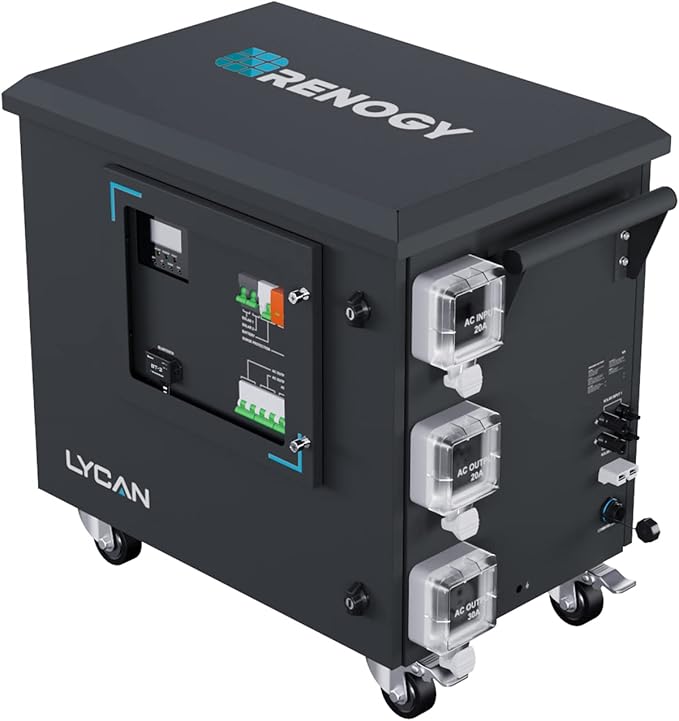
The anker solix f2000 for pellet stove blower grid down cabin use case is one of the most common winter prepper questions of 2026, and the short answer is yes — the Solix F2000 (officially the PowerHouse 767, 2048Wh LiFePO4, 2400W AC) will comfortably run a typical pellet stove blower, auger, and igniter for roughly 18 to 30 hours on a single charge, depending on duty cycle. Pellet stoves draw between 100W and 400W in steady state and spike to 300–500W during ignition, all well inside the F2000's continuous output. Pair it with a 200W solar panel array on the cabin roof or a south-facing window and you can effectively island the stove indefinitely through a multi-day outage.
Below we break down the sizing math, show how smaller power stations stack up if you only need a few hours of bridge power, and recommend lighter EcoFlow RIVER alternatives for shoulder-season outages where 2000Wh is overkill.
Why the Anker Solix F2000 Fits Pellet Stove Duty
Pellet stoves are deceptively electrical. Unlike a wood stove, they need 120V AC to run the combustion fan, room blower, auger motor, control board, and a glow-plug igniter that pulls 300W or more for the first 8–15 minutes of each startup. If the grid drops in January, your stove stops dumping heat into the room within seconds, and your pipes start counting down. That is exactly the scenario the anker solix f2000 for pellet stove blower grid down cabin setup is designed to solve.
The Solix F2000 ships with a 2048Wh LiFePO4 battery rated for 3,000 cycles to 80%, which translates to roughly a decade of seasonal cabin use. Its 2400W pure sine inverter (3600W surge) handles the igniter inrush without complaint, and its UPS-style passthrough switches in under 20 ms — fast enough that most pellet stove control boards never reset. That last spec matters more than capacity: a cheap modified-sine inverter will brown out the control board and force a hard restart every time the grid flickers.
Runtime math for a typical pellet stove
Here is the back-of-napkin calculation most cabin owners actually need:
- Idle / low burn: 80–120W average 17–25 hours on a full F2000
- Medium burn: 150–200W average 10–13 hours
- High burn with frequent ignition cycles: 250–350W average 5–8 hours
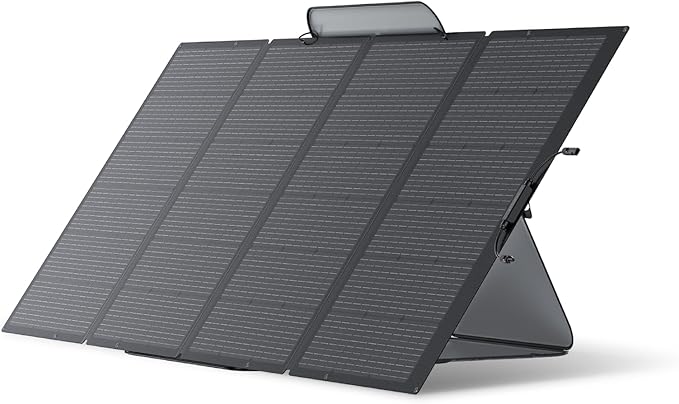
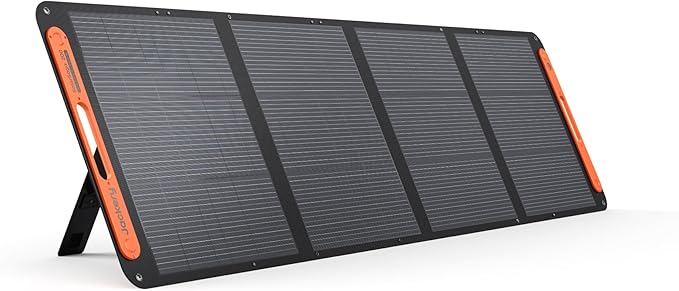
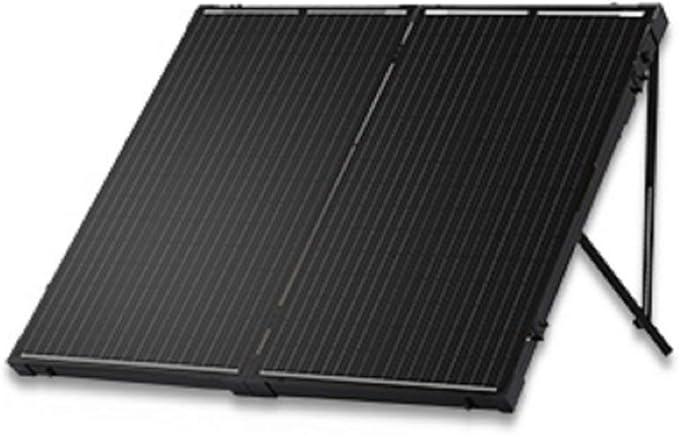
Add a 200W rigid or portable solar panel and you can claw back 800–1200Wh on a sunny winter day, which is enough to extend runtime by 6–10 hours. Two 200W panels in series essentially turn the F2000 into a solar generator that runs the stove indefinitely as long as you get some sun every other day.
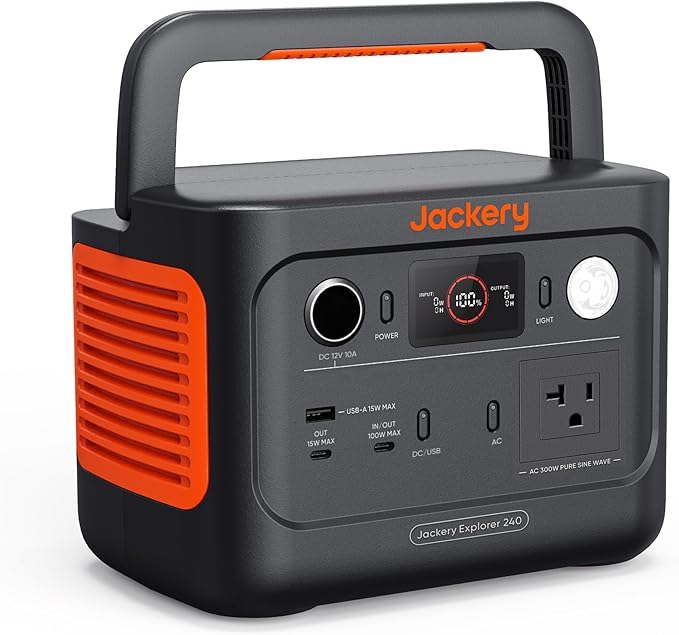
Jackery Explorer 240 v2 Portable Power Station, 256Wh LiFePO4 Battery with 300W AC/100W USB-C Output, 1Hr Fast Charging, Versatile Scenarios-Outdoor/Camping/RV/Travel/Emergency Bac
- 256Wh lithium battery
- 300W AC inverter
- Pass-through charging supported
When You Don't Need a 2000Wh Beast
Not every cabin owner faces 48-hour ice storms. If your grid-down events are typically 2–6 hours — afternoon thunderstorm season, planned utility work, the occasional transformer pop — a smaller LiFePO4 power station can bridge the gap at a fraction of the cost and weight. The EcoFlow RIVER line is the most direct competitor in this size class, and the 2026 refresh added higher X-Boost ceilings that make even the small units viable for pellet stove startup spikes.
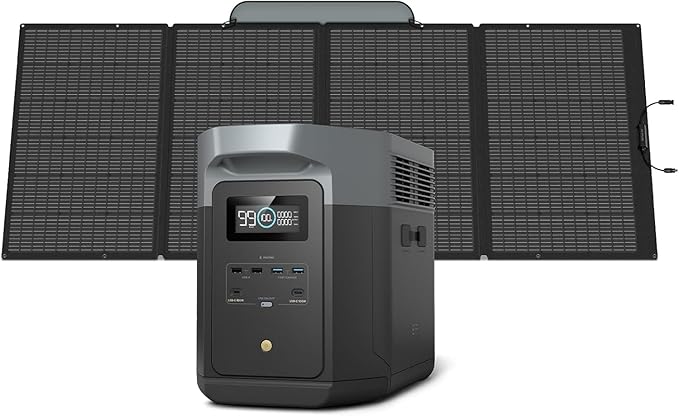
Quick comparison: F2000 vs. RIVER backup options
| Model | Capacity | AC Output (continuous) | Pellet stove runtime (150W avg) | Best use case |
|---|---|---|---|---|
| Anker Solix F2000 | 2048Wh | 2400W | ~12 hours | Multi-day grid-down, primary cabin backup |
| EcoFlow RIVER 2 Pro | 716Wh | 800W | ~4 hours | Overnight outage bridge |
| EcoFlow RIVER 2 Max | 499Wh | 500W | ~3 hours | Afternoon outage, low-burn idle |
| EcoFlow RIVER 3 Plus | 286Wh | 600W (1200W X-Boost) | ~1.5 hours | Short outage, igniter cycle only |
| EcoFlow RIVER 3 | 245Wh | 300W | ~1.3 hours | Emergency restart only |
The takeaway: nothing under 700Wh is a serious substitute for the F2000 in a true grid-down scenario, but the RIVER units shine as secondary stations dedicated to keeping the stove board powered while the F2000 handles the rest of the cabin (well pump, fridge, lights).
Lighter Power Station Picks for Pellet Stove Bridge Power
EcoFlow RIVER 2 Pro — best secondary unit for the cabin
At 716Wh and 800W continuous, the RIVER 2 Pro is the sweet spot for a dedicated pellet stove bridge battery. Its LiFePO4 chemistry survives unheated cabin storage down to -10°C (discharge-only), the 70-minute fast charge means you can top it off from the F2000 during a daytime sun gap, and the UPS switchover is fast enough to keep stove control boards alive. Mount it on a shelf beside the stove with a short 14 AWG extension to the appliance outlet and you have a fire-and-forget bridge that buys you 4–5 hours of idle burn.
Check the EcoFlow RIVER 2 Pro on Amazon
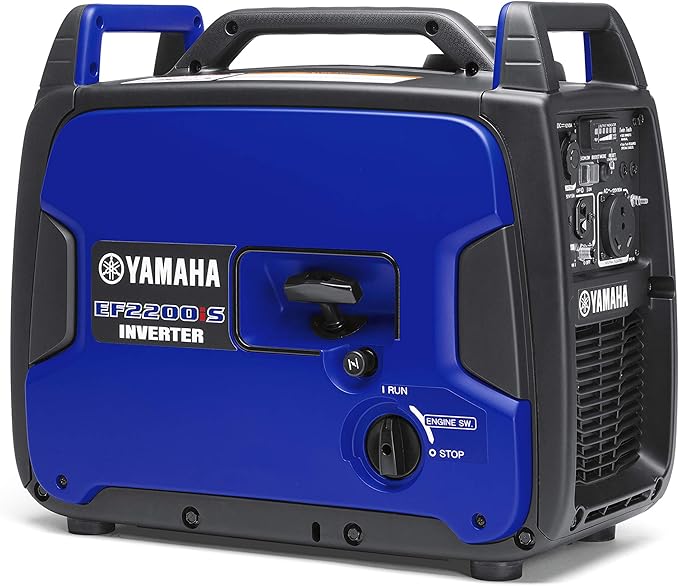
EcoFlow RIVER 2 Max — budget overnight bridge
If your stove sips closer to 100W on low burn, the 499Wh RIVER 2 Max gets you through a full overnight outage on a single charge. The 500W inverter is just barely above the typical igniter draw, so use the X-Boost mode (which the 2 Max supports for resistive loads) during cold starts. This is the unit to keep in the cabin if you only visit on weekends and want insurance against a Friday-night grid drop before you arrive.
Check the EcoFlow RIVER 2 Max on Amazon
EcoFlow RIVER 3 Plus — smallest unit that can still start a pellet stove
The RIVER 3 Plus is interesting because its 1200W X-Boost handles ignition inrush even though steady-state capacity is just 286Wh. Translation: it can start the stove, but only run it for about 90 minutes at moderate burn. Think of this as the grab-bag unit you toss in the truck on the way to the cabin, not as primary backup. Useful when paired with the F2000 — you can dedicate the Plus to a single laptop or CPAP and reserve every watt-hour of the F2000 for the stove.
Check the EcoFlow RIVER 3 Plus on Amazon
EcoFlow RIVER 3 — ignition-only emergency unit
The base RIVER 3 (245Wh, 300W) is the bare minimum for keeping a pellet stove control board alive during a short blip. It is not a serious blower runner, but at 3.5 kg it lives in a kitchen drawer and can be deployed in seconds. We mention it for completeness — most cabin owners running an anker solix f2000 for pellet stove blower grid down cabin setup will skip this tier and put that budget toward more solar instead.
Check the EcoFlow RIVER 3 on Amazon
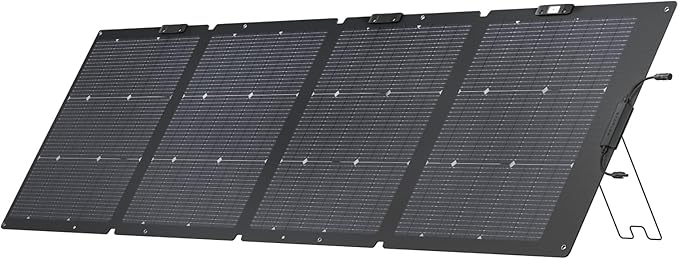
EF ECOFLOW 220W Portable Solar Panel, Bifacial Design Up to 25% Conversion Efficiency N-Type Solar Cell, with Adjustable Kickstand, IP68 Waterproof, Foldable Solar Panel for Campin
- 220W front + bonus rear generation
- 22.4% conversion efficiency
- Self-supporting kickstand design
Wiring the Stove to the F2000 in a Grid-Down Cabin
You have three sensible options:
- Plug-and-play extension cord: Run a 12 AWG cord from the F2000 directly to the stove's wall outlet. Simplest, completely reversible, no electrician needed. The downside is the stove is now on a tripping hazard cord across the floor.
- Manual transfer switch: A 15A interlock kit at the panel lets you swap the stove's branch circuit from grid to inverter in five seconds. Cleanest installation, but you need a permit in most jurisdictions and a willingness to flip a breaker manually.
- UPS-mode passthrough: The F2000 supports always-on UPS passthrough, so you can leave the stove permanently plugged into the F2000, and the F2000 plugged into the wall. Grid drops F2000 takes over in <20ms. This is the setup most full-time off-grid cabin owners end up with. For a deeper walkthrough see our guide to UPS-mode wiring for pellet stoves.
Solar Pairing for Multi-Day Outages
The F2000 accepts up to 1000W of solar input via XT60, which is more than most cabin roofs can practically mount. Two 200W rigid panels on a south-facing eave will produce 600–1100Wh per clear winter day at 45° latitude — enough to fully offset a low-burn stove. If you want maximum reliability through a multi-week outage, consider a third panel and a Anderson-to-XT60 combiner. We cover panel sizing in detail in our cold-weather solar derating guide, including the surprisingly large derate (15–25%) you get from snow-cover reflection losses and short December days.
One non-obvious tip: keep the F2000 itself inside the cabin. LiFePO4 cells will not charge below 0°C, and a power station sitting on an unheated porch in January will simply refuse solar input until it warms up. Run the panel wires through a window-pass kit instead.
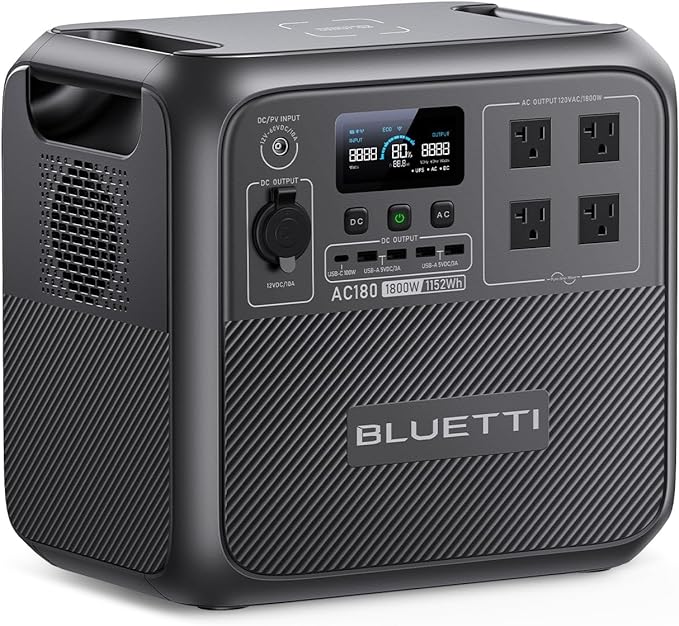
BLUETTI Portable Power Station AC180, 1152Wh LiFePO4 Battery Backup w/ 2 1800W (2700W peak) AC Outlets, 0-80% in 45Min, Solar Generator for Camping, Off-grid, Power Outage
- 1152Wh LFP battery
- 1800W AC output (2700W surge)
- Turbo charging in 45 minutes
Frequently Asked Questions
How many hours will an Anker Solix F2000 run a pellet stove during a winter power outage?
At a typical 150W average draw (mixed ignition, blower, auger, and control board), expect 11–13 hours of continuous runtime. Low-burn idle pushes that to 17–25 hours. Add a 200W solar input on a clear day and you can extend that by 6–10 hours.
Is the F2000's inverter strong enough for pellet stove igniter inrush?
Yes. Pellet stove igniters draw 250–400W steady with brief spikes under 600W. The F2000's 2400W continuous / 3600W surge inverter has roughly 6x headroom. Modified-sine portable inverters often fail here because the control board needs clean sine.
Can I leave the F2000 in an unheated cabin all winter?
You can store it cold (down to -20°C), but you cannot charge it below 0°C. If the cabin drops below freezing, plan to bring the unit inside a heated space — or beside the pellet stove itself — before solar or AC recharging.
What size solar array do I need to keep the F2000 charged for a pellet stove?
400W of panels (typically two 200W rigid units) is the sweet spot for most cabins. In December at 45° latitude with snow on the ground, expect 600–900Wh per clear day. That covers a low-burn stove plus modest lighting and phone charging.
Will a smaller EcoFlow RIVER work as a backup for the F2000 during a long outage?
Yes — many cabin owners use a RIVER 2 Pro or RIVER 2 Max as a dedicated control-board UPS while the F2000 handles the high-draw blower. This split-load approach extends total runtime by 30–40% because the small unit's idle losses are much lower than the F2000's.
Does the F2000 support UPS passthrough fast enough for pellet stove control boards?
Yes. The Solix F2000's UPS switchover is rated under 20ms, well inside the 30–50ms tolerance window of most modern pellet stove control boards (Harman, Quadra-Fire, Englander, Pleasant Hearth). Older boards with mechanical relays may still need a manual restart.
Can I run my well pump and pellet stove simultaneously from the F2000?
Usually yes for a 1/2 HP submersible (1500W surge, 700W run), but only if you stagger the loads. Run the pump for a 5-minute pressure-tank top-off, then let the stove resume. For continuous dual-load duty you really want the larger Solix F3800 or a paired second unit. See our well pump sizing guide for the full math.
Key Takeaways
- Choosing the right anker solix f2000 for pellet stove blower grid down cabin means matching capacity and output ports to your actual devices
- Always check actual watt-hours (Wh), not just watts — runtime depends on Wh, not peak output
- Also covers: harman pellet stove battery backup
- Also covers: solix f2000 pellet stove runtime
- Also covers: winter outage heat power station
- Compare price-per-Wh across models to find the best value for your budget